Quiet Time Games That Keep Kids Entertained
17 June 2026
Let’s be real — parenting is a full-time gig, and sometimes, you just need a few moments of peace and quiet. Maybe you’re trying to get dinner started, make an important phone call, or just enjoy five minutes of uninterrupted coffee time. That’s where quiet time games come in.
These aren’t just any games; they’re specifically designed (or cleverly modified) to keep kids entertained and calm, without the chaos, loud noises, or the dreaded "I'm bored" complaints. So, if you're looking to keep your little ones busy and quiet, you're in the right place. Let's dive into some of the best quiet time games that kids actually love.
Why Quiet Time Games Matter
Before we jump into the fun stuff, let’s talk about why quiet time is more than just a parental survival tactic. Kids need downtime just as much as adults do. It helps them reset, reflect, and even process emotions they've gathered throughout the day.Quiet time games aren't just about distraction—they support cognitive development, improve focus, and teach patience. Think of them as mini spa treatments for their busy little brains.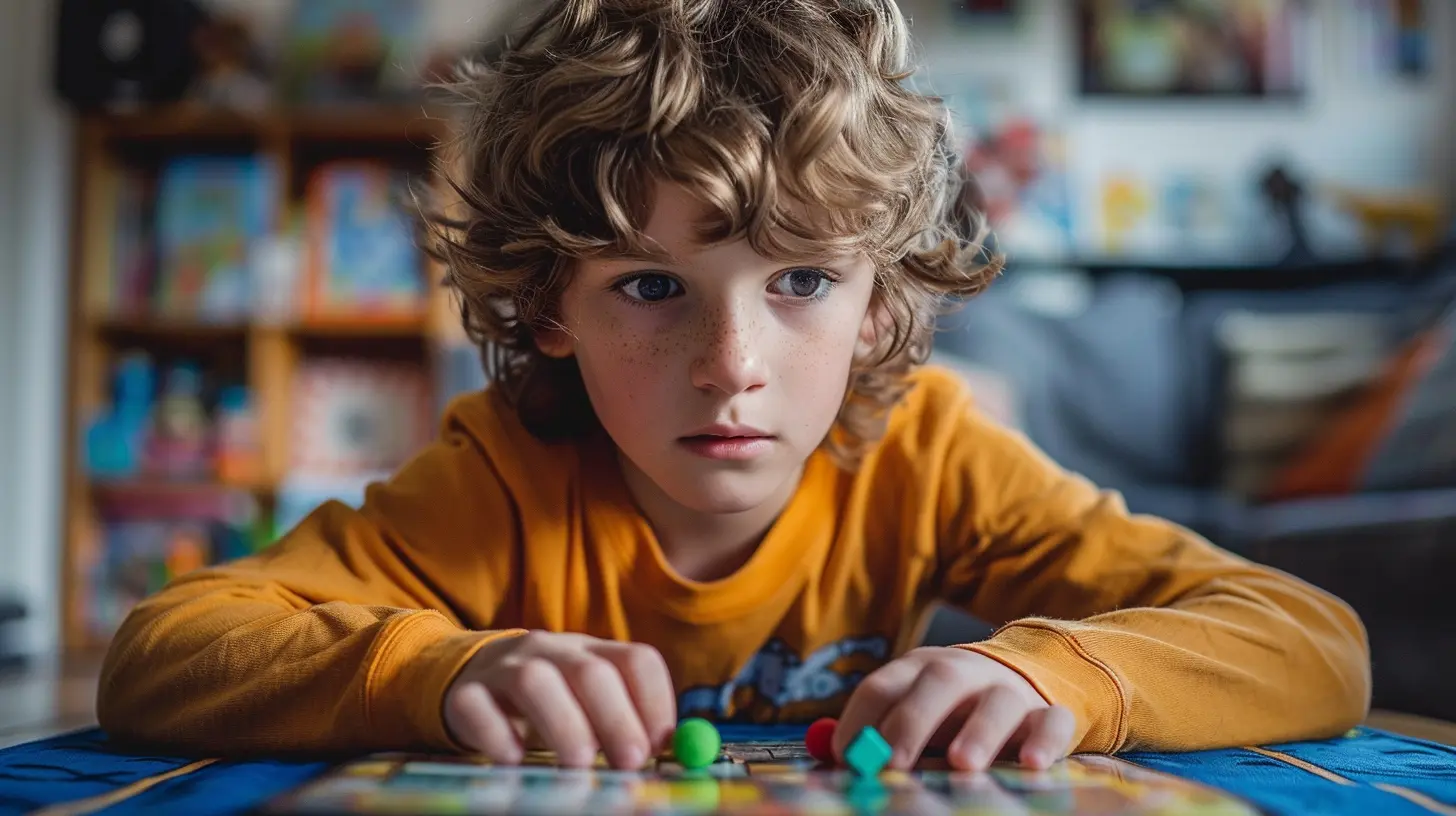
1. Puzzle Time: A Classic For A Reason
Puzzles are the OG quiet time activity. Whether it’s a 24-piece puzzle for toddlers or a 300-piece challenge for older kids, puzzles are super engaging and peaceful.Why Kids Love Them:
- They get to see progress (which is oddly satisfying).- Puzzle pieces feel like little treasures.
Why Parents Love Them:
- Zero noise.- Encourages problem-solving and spatial reasoning.
Pro Tip: Rotate the puzzles so they don't get bored. And if you want to make it extra quiet, go for floor puzzles that have big, soft pieces – no noisy clanking on the table!
2. Coloring Books & Art Activities
You can't go wrong with coloring books. There’s something incredibly calming about watching your child pick up crayons or colored pencils and just zone into the page.Options to Keep It Fresh:
- Themed coloring books (dinosaurs, unicorns, superheroes).- Watercolor painting (low mess with water-reveal books).
- Dot markers or magic markers that won’t bleed through.
Arts and crafts can also be a great option — think simple stuff like sticker books, origami, or paper weaving. Not only do they stay quiet, but they also get those creative juices flowing.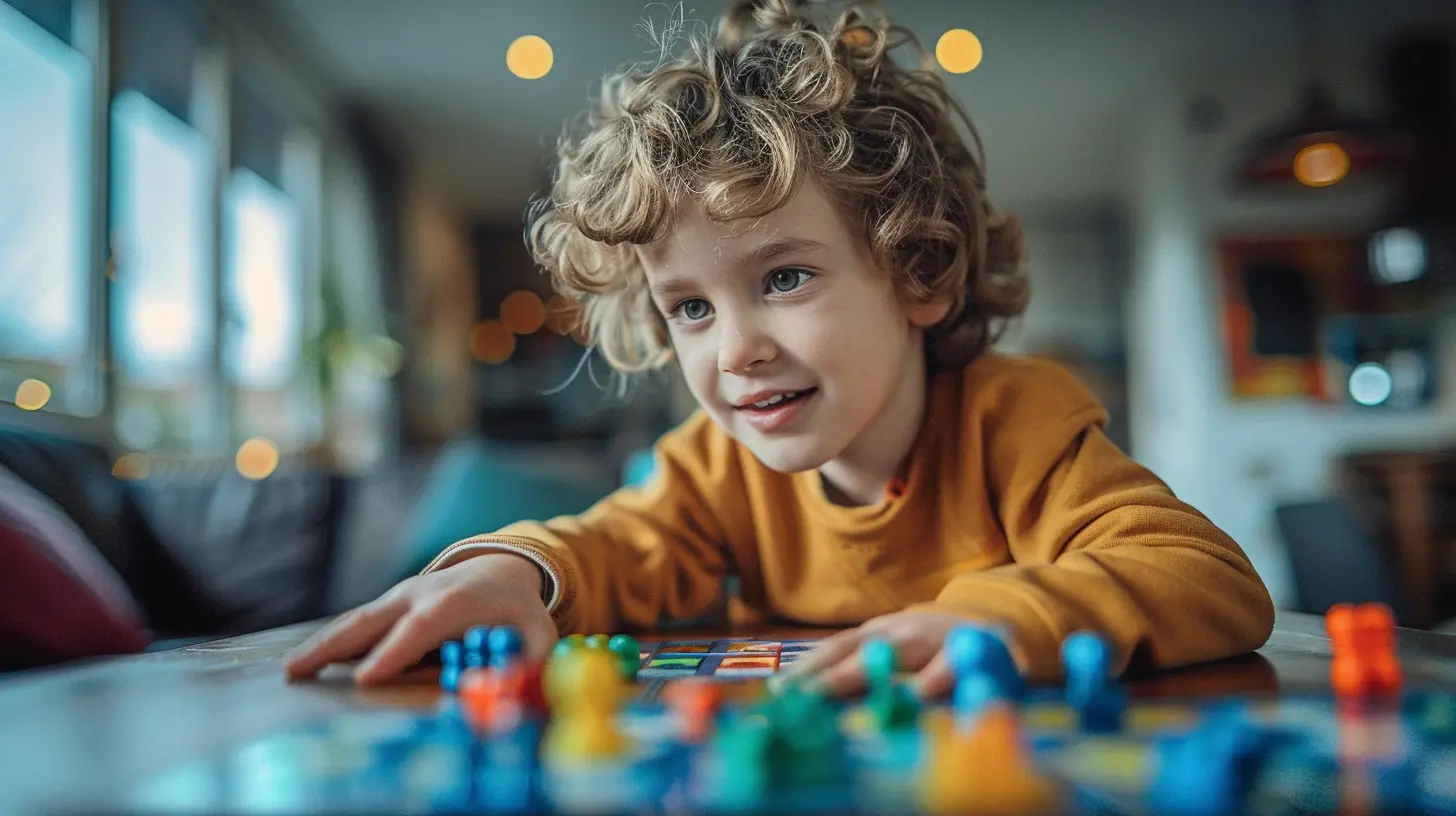
3. Audio Stories and Podcasts
Who knew storytelling could come back with such a modern twist? Children's podcasts and audio stories offer screen-free entertainment that keeps kiddos quietly engaged.Must-Try Picks:
- "Circle Round" – folk stories with morals.- "Brains On!" – for curious little minds.
- "Story Time" – short bedtime stories that work for quiet time too.
Just hand them a pair of comfy headphones, press play, and boom! You’ve got 30 minutes of golden silence.
4. LEGO and Building Sets
Contrary to popular belief, LEGO doesn't have to be noisy. If you guide kids toward independent builds instead of chaotic group construction, you can actually make it a quiet activity.Try This:
- Small projects with clear instructions.- Challenge builds — give them a theme like "build a zoo" or "a spaceship."
- Storage trays to cut down on the clattering.
Building sets like Magnatiles, Tegu wooden blocks, or even stacking cups can provide the same satisfaction with less noise and mess.
5. DIY Sensory Bins
Sensory bins are like mini playgrounds for imagination — all while sitting down and staying quiet. They’re great for toddlers and preschoolers who still crave tactile stimulation.Easy Ideas To Fill Them:
- Dry rice or pasta with small scoops and bowls.- Kinetic sand with mini figurines.
- Cotton balls and clothespins for a wintery scene.
You don’t need anything fancy. A plastic storage container and some creativity do the trick. Just make sure the contents are age-appropriate and safe (aka nothing too small for littles who love to taste-test everything).
6. "I Spy" Books and Quiet Activity Books
“I Spy” books are the perfect combo of eye-hand coordination and attention to detail. They turn quiet observation into a game — and kids get laser-focused trying to find the next thing.You can also try:
- Sticker books
- Mazes
- Dot-to-dots
- Reusable wipe-clean activity books
What’s great is that these don’t require parental instruction. Just hand over a book and a pen or marker, and let them get lost in their own little world.
7. Board Games for Solo Play
Yes, board games can be quiet — if you choose the right ones. While some games require multiple players, plenty are perfectly suited for solo play.Best Quiet Solo Games:
- Rush Hour (logic game with cars).- Kanoodle (3D puzzle challenges).
- SmartGames brainteasers.
These keep kids focused and engaged without the need for conversation or noise.
8. Shadow Drawing and Tracing Activities
You don’t need fancy art materials for this one. Just grab some toys, set them near a sunny window, place paper down, and trace the shadows. It’s mind-blowingly simple and strangely satisfying.Or try:
- Tracing their hands and creating animals from them.
- Using cookie cutters as stencils.
- Projecting a flashlight on the wall and tracing shadows onto paper.
Kids get to mix fun with a little science — learning about light and angles without even realizing it.
9. Quiet Card Games
Card games might sound like high-energy fun, but there are several that are perfect for winding down.Some Quiet Favorites:
- Memory/Concentration- Uno Solitaire (yes, that’s a thing!)
- Go Fish with a whispering twist
Or create your own card-matching game with pictures or words. The goal is to slow things down, not rev them up.
10. Yoga for Kids
Okay, this might feel like a surprising addition — but some kids actually love doing yoga. It helps them relax, stretch, and breathe.You don’t need to be a yogi master. Just play a kid-friendly yoga video on low volume and let your child follow along. Animal-themed yoga poses (like cat, cow, or downward dog) make it playful and fun.
Bonus: You get a few extra minutes of zen, too!
11. Soft Plush Toy Play or Dollhouse Fun
When kids have a favorite plushie or doll, they can get lost in their own imaginary world. Add a dollhouse, a tea party set, or even a few blocks for pretend rooms and they’ll stay busy for a while.This kind of open-ended play is great because:
- It encourages storytelling.
- It’s entirely child-led.
- It’s naturally low-energy (plushies aren’t exactly doing parkour).
Sometimes, simplicity wins.
12. Mindfulness and Breathing Games
Yes, even kids can learn to quiet their minds through simple breathing games. There are apps and cards out there specifically designed to guide them, but you can also DIY it.Try This:
- "Smell the flower, blow out the candle" breathing technique.- Counting breaths with a stuffed animal on their belly.
- Mindful coloring with music playing softly in the background.
Think of it as a mini meditation session wrapped up as a game.
Final Tips for Quiet Time Success
Setting the scene is half the battle. Here are a few tips to make quiet time feel like a fun, special part of the day — not a punishment:- Create a special “quiet time box” filled with rotating games and activities.
- Use a timer to help set expectations (start with 10 minutes and build up).
- Let your child choose what they want to do from a list of options.
- Celebrate the end of quiet time with a snack or a story together.
At the end of the day, it’s about balance. You’re not trying to eliminate energy — just channel it into peaceful little pockets of play.
Quiet Time Doesn’t Mean Boring Time
Quiet doesn’t have to mean dull. With the right games and a little creativity, you can turn those precious down moments into something kids actually look forward to. Whether it's diving into a puzzle, zoning out with a podcast, or building the next LEGO masterpiece, quiet time can feel just as magical as a trip to the playground (minus the mess and screaming).So the next time your house feels like a tornado just blew through, reach for one of these quiet games — and reclaim your calm.
all images in this post were generated using AI tools
Category:
Games For KidsAuthor:

Emery Larsen
Discussion
rate this article
2 comments
Emery McDowney
This article is a great resource for parents looking for calming games for their kids. Finding engaging activities that promote quiet time can be challenging, but these suggestions are practical and offer kids a way to unwind and explore creativity.
July 23, 2026 at 4:00 AM
Trevor McGuffey
This article highlights the beauty of quiet time games. They not only entertain kids but also foster creativity and independent thinking. It's a perfect way for parents to encourage focus while keeping playtime fun.
June 26, 2026 at 3:52 AM
Emery Larsen
Thank you for your thoughtful insight! I'm glad you appreciate the balance of fun and creativity in quiet time games.