Space Colonization in Strategy-Based Sci-Fi Games
2 August 2026
Have you ever dreamed of building a home among the stars? Blasting off from Earth and carving out a new life on some distant, dusty planet? You're not alone—and thankfully, there's an entire genre of games that lets us live out that exact fantasy. From managing intergalactic empires to engineering a livable colony on a toxic, alien world, strategy-based sci-fi games let us dive deep into the very cool and complex world of space colonization.
In this article, we’re going to warp-drive into what makes space colonization such a compelling and addictive gameplay mechanic. Buckle up, because we’re headed for the final frontier—gamer style.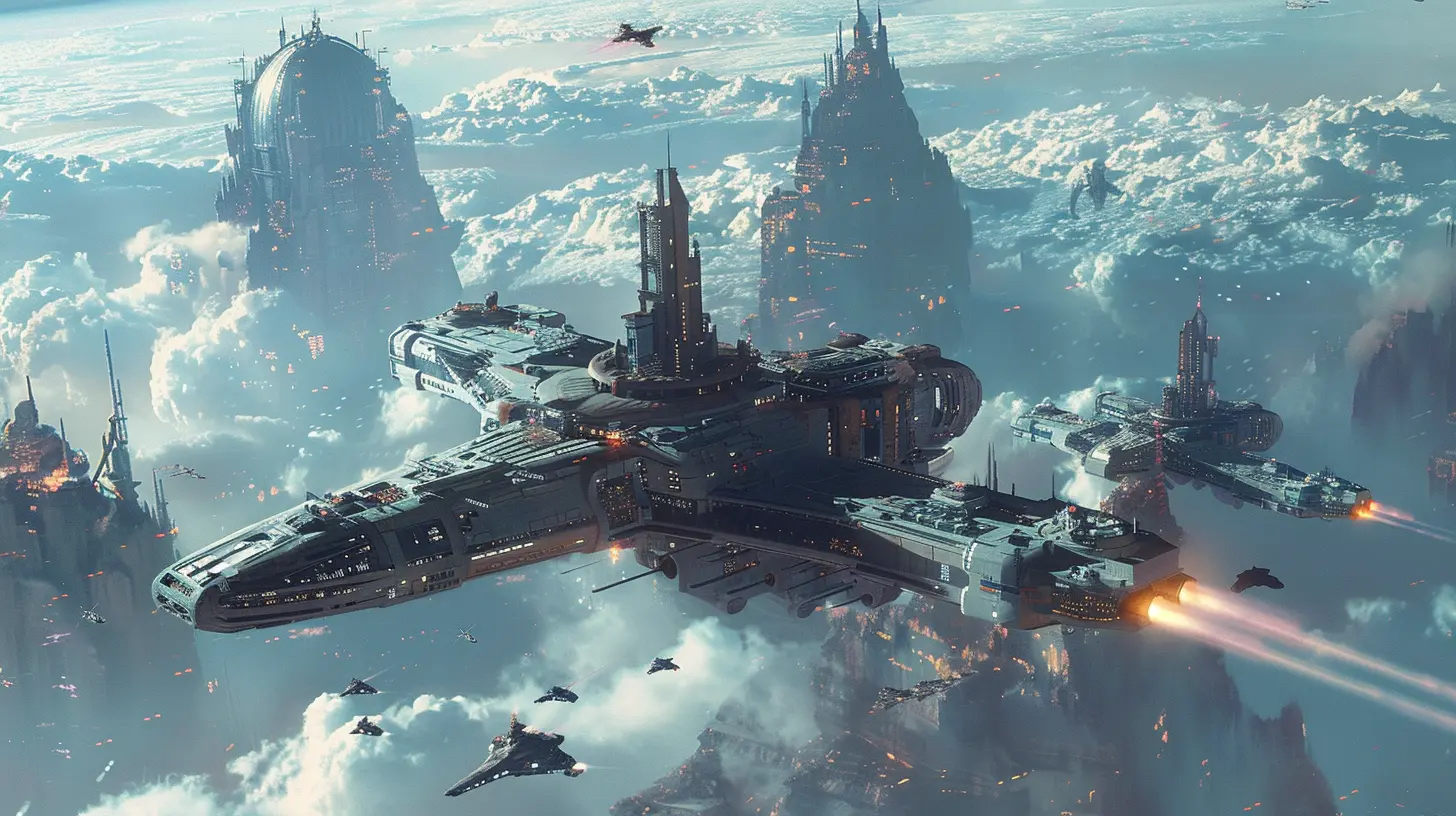
Why Space Colonization Feels So Dang Cool in Games
Let’s get real for a sec—who hasn’t looked up at the night sky and thought, “I could totally run that galaxy better than those space politicians”? Strategy-based sci-fi games give us that chance. They’re like chess, but with lasers, wormholes, and planetary economies.Here’s why it's so satisfying:
- The Ultimate Sandbox: Space is HUGE. Colonizing it gives you nearly limitless room to play with.
- Brains over Brawn: It’s not just about fighting; it’s about planning, adapting, and outsmarting rivals.
- Progress You Can See: Watching your colony grow from a few metal huts to a thriving metropolis is basically digital gardening for space nerds.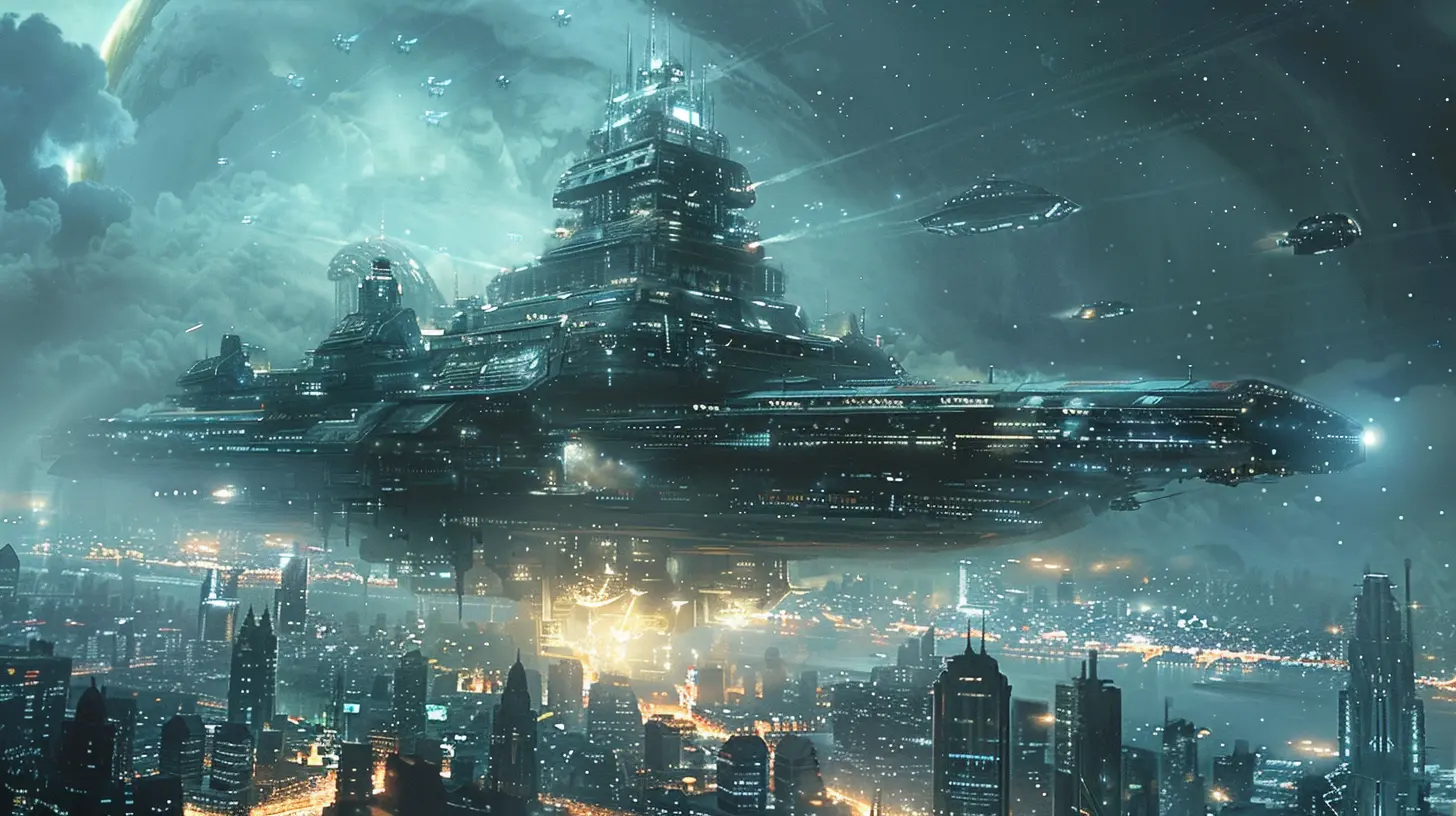
The Essentials of Space Colonization in Strategy Games
Alright, let’s break it down. Colonizing space isn't just dropping some buildings on a shiny new planet and calling it a day. These games make you work for it—and that’s part of the fun.1. Scouting and Discovery
Before you can colonize, you gotta find the right place. Maybe you send out probes or build scout ships to uncover habitable (or barely survivable) planets. Each game handles this differently. Some have full-on star maps with fog of war, while others generate random galaxies every time you play.You're essentially playing space detective—just with more radiation and less coffee.
2. Resource Management
Ah yes, the lifeblood of any colony—resources. Think minerals, energy, food, water, and maybe some exotic matter that can bend time. Managing these becomes a full-time job. You’ve got to decide:- Do you risk mining that asteroid field full of pirates?
- Which planet is best for agriculture?
- Should you pump everything into science and tech or build a mega-army?
It’s like juggling while riding a unicycle: tricky but oh-so-satisfying when you pull it off.
3. Tech Trees and Research
You’re not just building huts in space—you’re inventing the future! Technology progression is a massive part of space colonization. Games usually have massive tech trees where you can research weapons, engines, terraforming techniques, advanced AI, and stuff that sounds like it came straight from a sci-fi novel.And every decision you make sends your civilization down a unique path. Will you be an unstoppable militaristic hive mind or a peaceful federation of thinkers? Your tech choices shape your galaxy.
4. Diplomacy and Conflict
Even in space, neighbors can be a pain. Colonizing space is never a solo gig—there are usually other factions, aliens, or even rogue AIs trying to stake their own claim.You’ll have to deal with alliances, trade deals, betrayals, and all-out wars. Space politics is basically Game of Thrones...with lasers.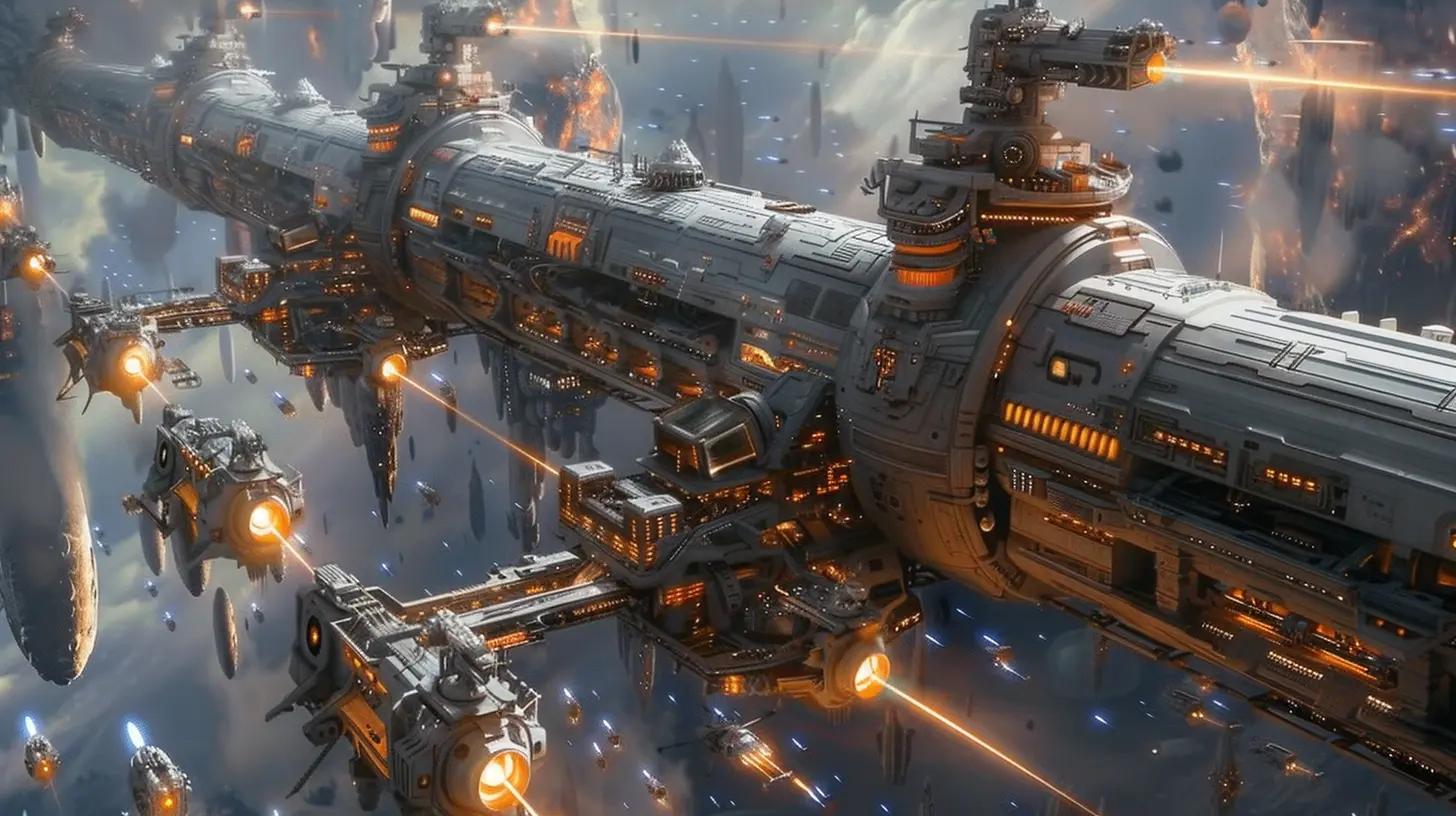
Top Games That Nail Space Colonization
Let’s talk game titles. These legends of the genre are some of the best when it comes to building your own cosmic empire.Stellaris – Every Decision Shapes the Stars
If you love deep storytelling and emergent gameplay, Stellaris is a crown jewel. You create your own species—complete with weird ethics, government types, and space perks—and then send them out into the stars.Planets feel unique, the tech system is sprawling, and diplomacy is deep. Colonizing new star systems is a constant balance of opportunity and risk. Want to settle that beautiful desert world? Just be prepared to fight the roach-aliens who already live there.
Civilization: Beyond Earth – A Fresh Start, Far From Home
This one’s a bit different. Instead of running a galactic empire, you’re trying to build a new civilization on one alien world after Earth bites the dust.It’s got all the classic Civ mechanics—tech trees, city-building, unit management—but tossed into a blender with futuristic themes. Colonizing here is all about adapting to the alien environment. Think XCOM meets SimCity—with less coffee and more acid rain.
Surviving Mars – Red Dust and Hard Decisions
Surviving Mars strips it back a bit. You’re not managing a galaxy—you’re just trying to not die on Mars. Simple, right?Wrong. You’ve gotta manage oxygen, build domes, keep colonists alive (and happy), and avoid catastrophic failures. Every decision feels important, because one power outage can freeze your whole colony to death.
It’s gritty, it’s grounded, and colonization feels like a real challenge worth overcoming.
Galactic Civilizations III – Empire Management On Steroids
This one's for the spreadsheet lovers out there. GalCiv III gives you more stat breakdowns and colony management options than you can shake a space stick at.Colonizing planets here is a delicate dance of maximizing production, managing morale, and expanding borders faster than your rivals. There’s even a Civilization-style cultural domination path, so you can beat enemies without firing a shot—instead, just blast them with space pop music and propaganda.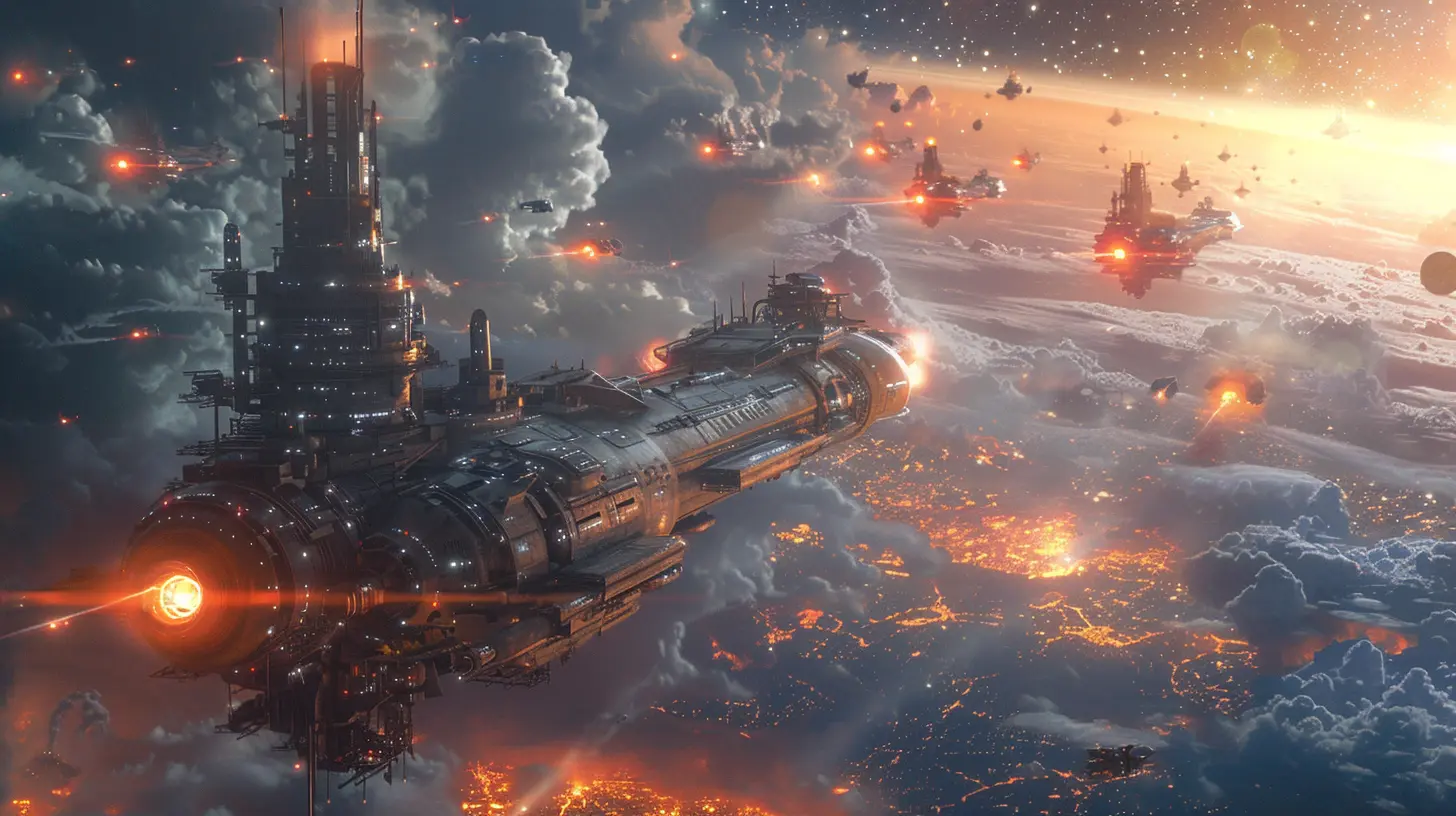
Strategy Tips for Would-Be Interstellar Rulers
Want to go from rookie space captain to galactic overlord? Here are some tried-and-true tips from the digital space frontiers:1. Start Small, Think Big
Don’t try to colonize every planet in sight. Focus on quality over quantity early on. A few highly developed colonies can do more than loads of poorly managed ones.2. Specialize Your Colonies
One planet makes food. Another makes ships. Another does research. Don’t try to make every colony good at everything—it’s a waste of resources and time.3. Keep an Eye on Neighbors
Use those sensors, build early alliances, and don’t forget to spy. Half the game is knowing what others are up to before they decide to “liberate” your colonies.4. Don’t Sleep on Logistics
This one’s underrated. Moving fleets, supplying outposts, and managing space lanes? It matters—a lot. A well-placed spaceport or wormhole gate can mean the difference between winning and watching your outer colonies get wrecked.The Future of Space Colonization in Strategy Games
Where’s it all going from here? With better AI, more detailed planetary simulations, and crazy new graphics tech, future strategy games are only going to get better at simulating colonization.Imagine games where:
- Each colonist has their own backstory and skill tree.
- You terraform planets in real-time, watching deserts bloom into forests.
- Entire planets act like living, breathing ecosystems that react to your presence.
Yeah, the future looks bright—and probably neon-colored.
Final Thoughts: The Joy of Building Among the Stars
At its core, space colonization in strategy-based sci-fi games taps into something deeply human—the urge to explore, to expand, and to build a better tomorrow. These games mix the thrill of discovery with the satisfaction of management, and toss in some epic space battles for good measure.Whether you’re a meticulous planner who loves optimizing every colony, or a chaotic explorer who wings it and hopes for the best, there’s a game out there for you. So fire up those engines, chart your course through the stars, and remember—the galaxy isn’t going to colonize itself.
Happy colonizing, Commander!
all images in this post were generated using AI tools
Category:
Sci Fi GamesAuthor:

Emery Larsen