The Future of Sci-Fi Games and Interactive Storytelling
7 August 2026
Have you ever played a sci-fi game so immersive it made you forget the real world even exists? You know, those games where you're piloting a starship through a wormhole one minute and negotiating with a cybernetic alien the next? If you nodded yes, then buckle up—because the future of sci-fi games and interactive storytelling is about to go hyperdrive.
Whether you're a die-hard Mass Effect fan, obsessed with Cyberpunk 2077, or still dreaming about Bioshock Infinite’s floating city, there’s no denying something huge is brewing in this genre. So, let’s deep dive into the exciting possibilities on the horizon and how they’re reshaping the way we play, think, and feel about gaming.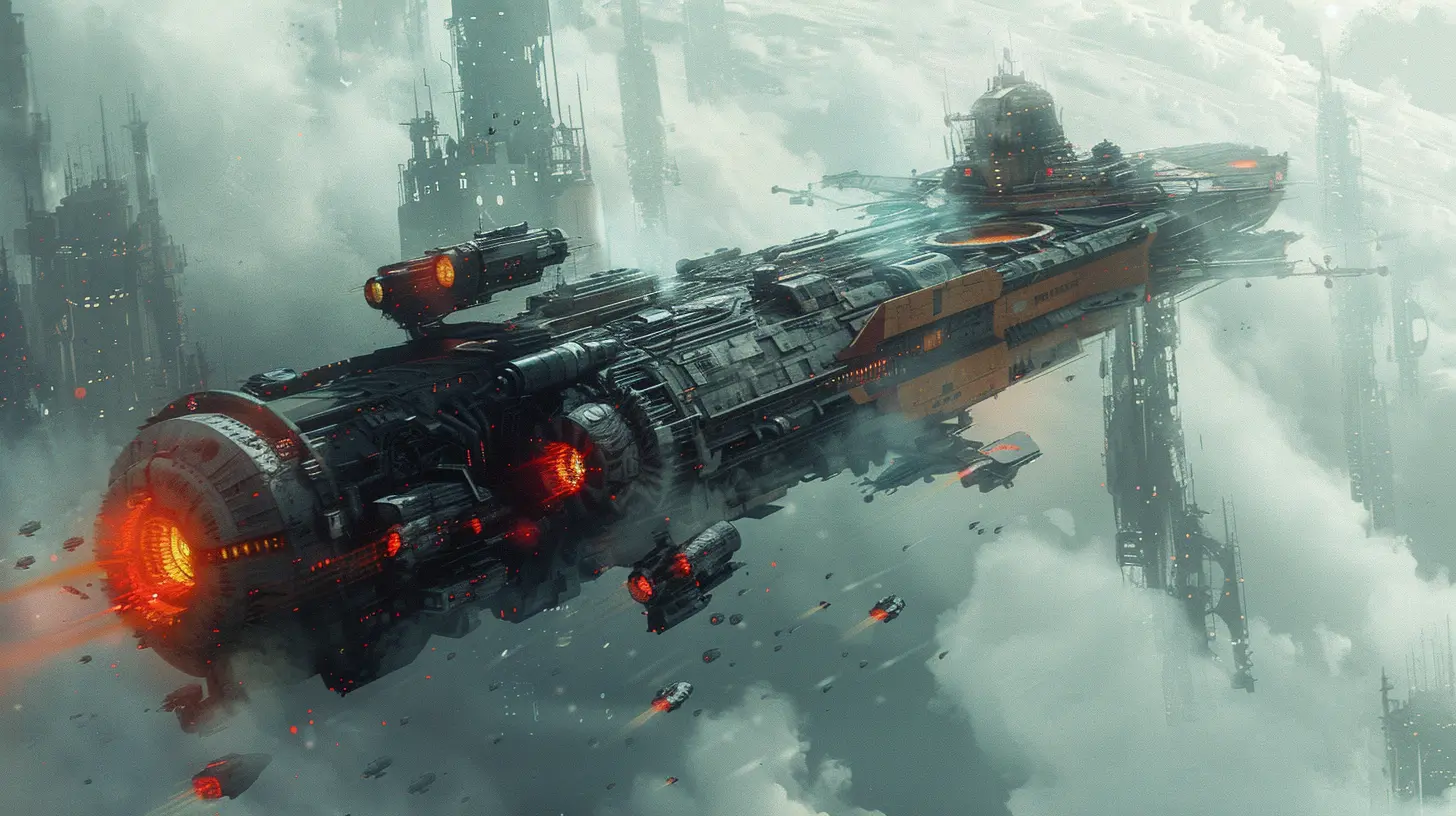
The Sci-Fi Genre: Why It’s a Powerhouse in Gaming
Let’s be real—sci-fi and gaming are like peanut butter and jelly. They just work.Sci-fi opens the floodgates to imagination. It breaks the chains of reality and tosses them into a black hole. Want to build a utopian civilization? Go ahead. Prefer to survive a robot apocalypse? You got it. This genre gives developers the creative freedom to craft worlds that are light-years ahead of their time.
Unlike grounded genres, sci-fi games don’t just create stories. They question our future, challenge our morality, and make us feel like pioneers in a digital universe.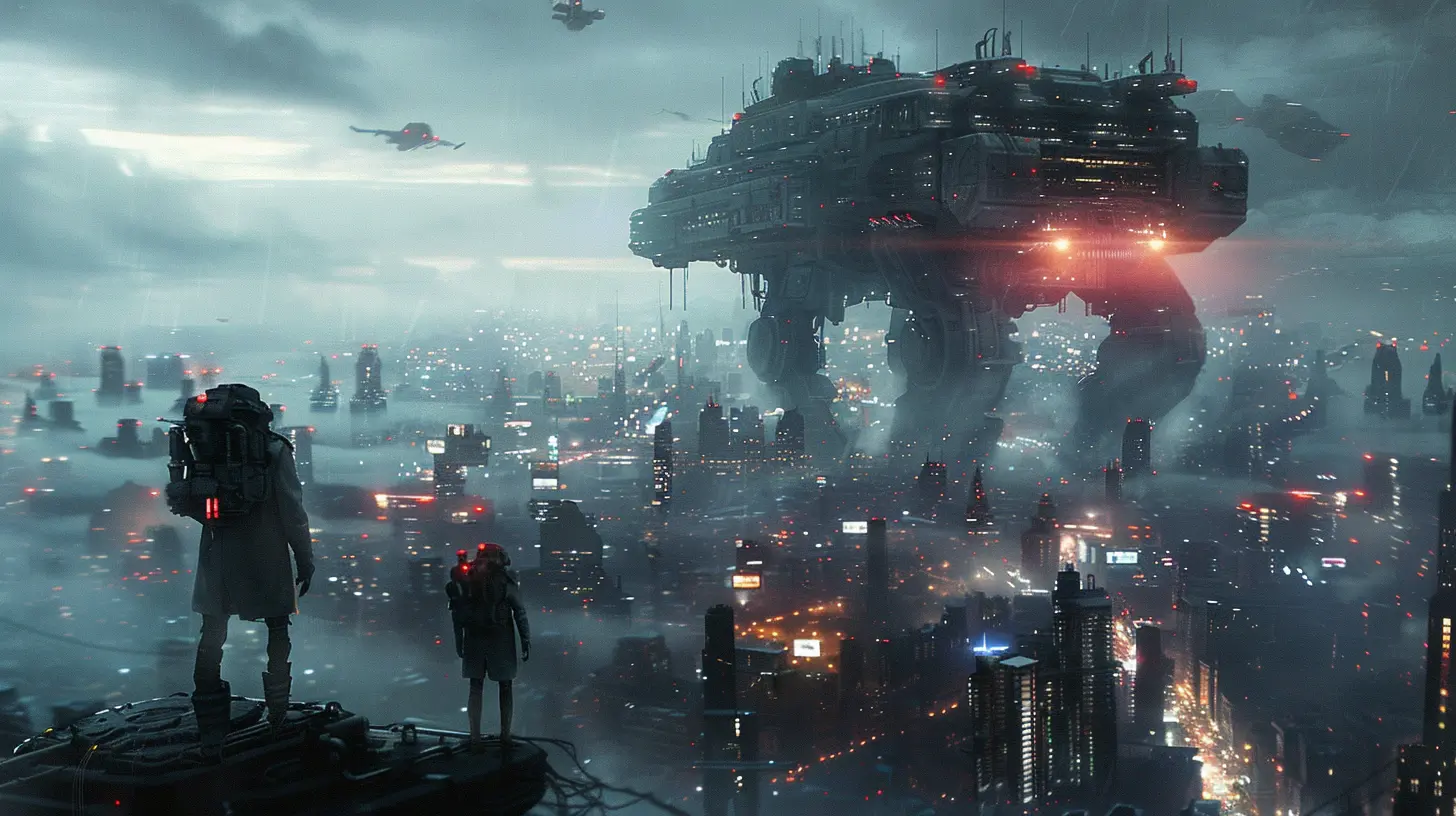
How Technology Is Leveling Up Sci-Fi Games
The future of sci-fi gaming isn’t just about cooler aliens or sleeker spaceships. It's about how tech is changing the DNA of how we experience stories.1. AI-Driven Narratives
Here’s where things get spicy. Developers are now using artificial intelligence to create dynamic storylines that respond to our every move. That means your choices don’t just alter the end—they reshape the entire journey.Imagine an intelligent NPC (non-playable character) who remembers your past actions and reacts differently based on your personality. Creepy? Kind of. Cool? Absolutely.
The fusion of AI and storytelling will create living, breathing game worlds where no two playthroughs are identical.
2. Procedural Worldbuilding
Sci-fi worlds are vast—like galaxy-size vast. With procedural generation, developers can now build unique universes using algorithms. Think of it like a cosmic paintbrush that never runs out of paint.Games like No Man's Sky have already shown us a glimpse of what’s possible, but the future promises even deeper, richer experiences. Imagine stumbling onto a planet no other player has ever visited. That’s not just gaming—that’s digital exploration at its finest.
3. VR and AR Immersion
Let’s talk immersion. Virtual Reality (VR) and Augmented Reality (AR) are making sci-fi gaming feel alive. When you put on a VR headset and suddenly find yourself inside a neon-lit spaceship, it’s not just a game anymore—it’s a full-blown escape pod from reality.In the future, VR and AR will blend seamlessly with sci-fi narratives, letting you touch, interact, and live inside the story. You won’t just play the hero—you’ll be the hero.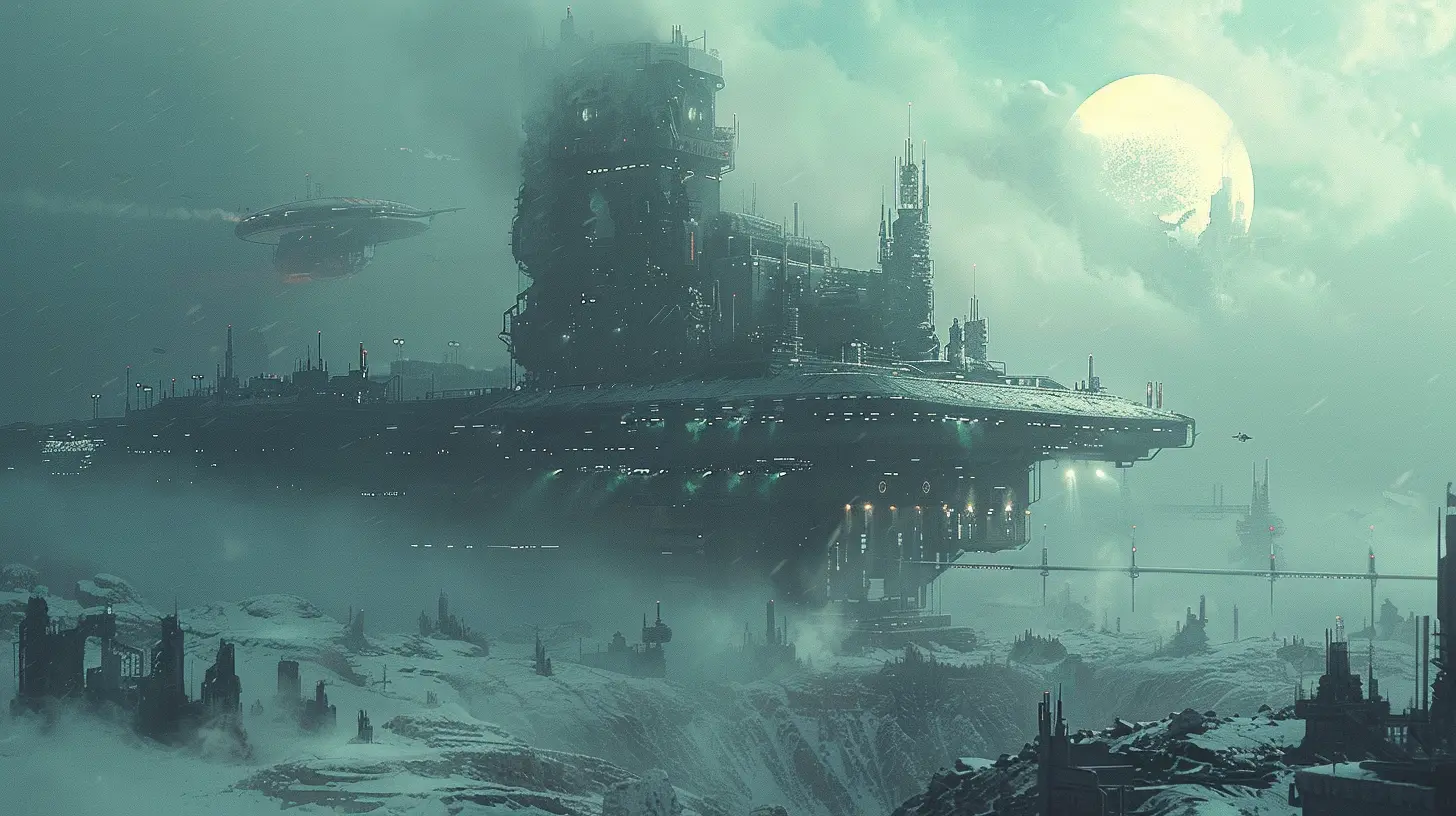
Interactive Storytelling: Your Choices Really Matter
You know when a game makes you pause, hover your finger over the controller, and whisper, “What do I do?” That’s the magic of interactive storytelling.Branching Storylines That Make You Think
Gone are the days of single-outcome stories. The new wave of sci-fi games gives you branching narratives where your decisions have weight. Kill a character early on? That could come back to haunt you hours later. Side with the rebels? You might topple a government.These layered storylines turn gamers into authors of their own tales. It’s like reading a “Choose Your Own Adventure” book but with explosions, lasers, and time-travel dilemmas.
Emotional Engagement: Yes, Games Can Make You Cry
Sci-fi storytelling is evolving beyond pew-pew lasers and robot takeovers. It’s hitting emotional notes that used to be reserved for literature and film.We’re talking about themes like identity, sacrifice, and what it means to be human in a world overrun by tech. These elements pull you in and make you care deeply about characters—even the synthetic ones.
Who knew your heart could ache for a robot companion or a glitchy AI that just wanted to be free?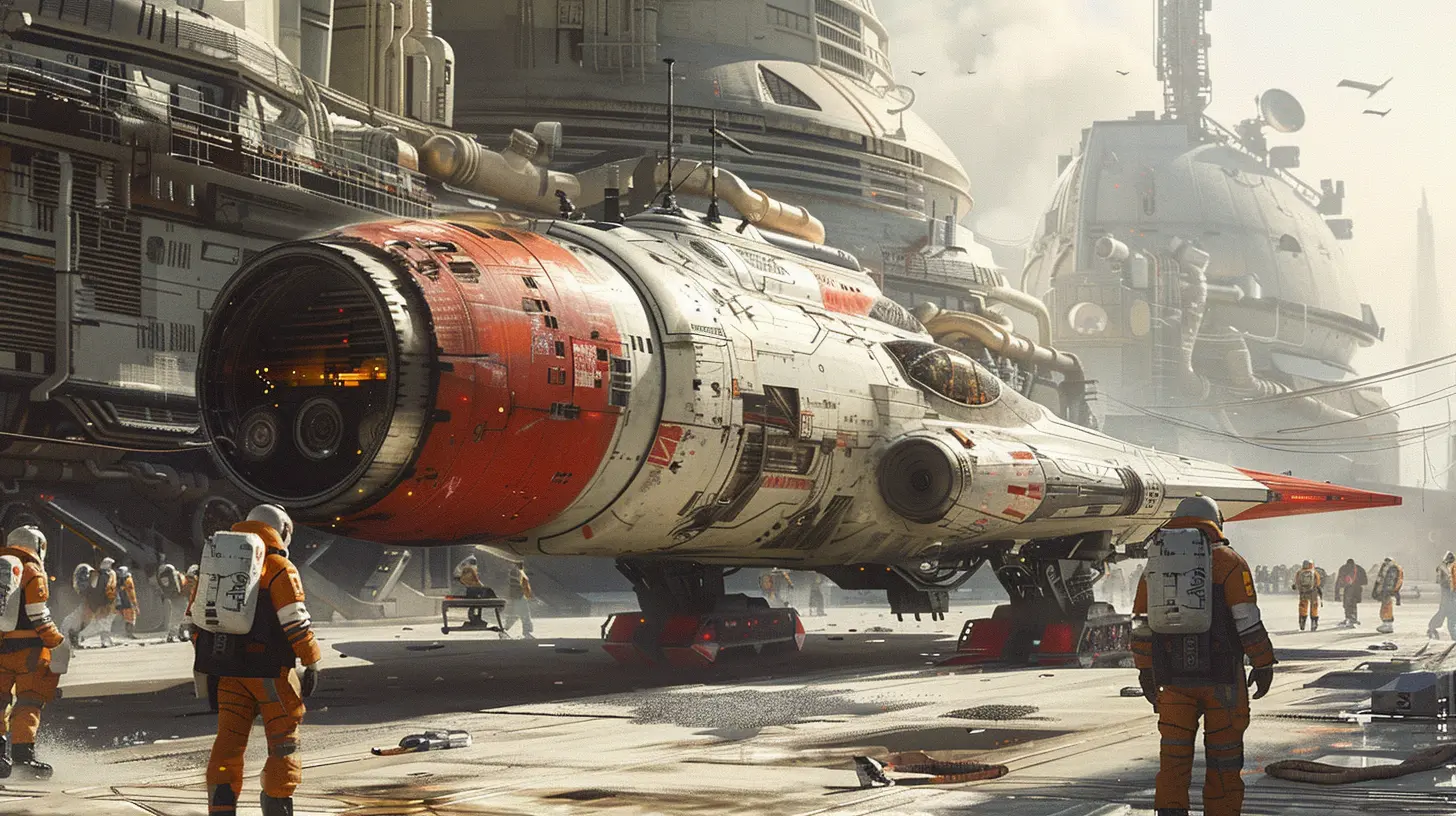
Multiplayer Evolution: Telling Stories Together
Single-player campaigns will always have a place, but the future of storytelling is leaning into multiplayer experiences that are rich with narrative depth. Picture this: your squad of friends navigating a dystopian space colony, each making decisions that affect the entire storyline. It's not just co-op gameplay—it's shared storytelling.Social Sci-Fi Worlds
Games like Star Citizen and Elite Dangerous are already scratching the surface. These open universes allow players to interact, trade, and even wage war across the stars. But imagine if those interactions influenced a larger story arc that everyone is helping to build?That’s the future—one where communities collectively shape the game’s lore.
Characters That Grow With You
Let’s talk about characters—not the cookie-cutter hero types, but real, flawed, complex ones. Tomorrow’s sci-fi protagonists will grow with you, change based on your moral compass, and evolve emotionally over time.You won’t just control them—you’ll relate to them. Maybe even miss them when the game’s over.
And the villains? Oh, they’re about to get so much better. Think less “muahaha” and more “I totally get why he thinks humanity should be wiped out.”
Indie Developers Are Shaking Things Up
While the big studios are pushing boundaries, indie developers are leading a storytelling revolution. With smaller teams and fewer restrictions, they’re able to take creative risks—and it’s paying off.Games like “The Invincible,” “Citizen Sleeper,” and “Deliver Us Mars” are blending thought-provoking stories with gorgeous sci-fi settings. It’s the kind of innovation that keeps the genre fresh and unpredictable.
So next time you scroll through your game store, don’t skip the underdog titles. They might just blow your space boots off.
The Role of Mods and Community Content
Here’s a fun twist—sometimes the best sci-fi stories aren’t even made by developers. Modders and passionate fans are building entire narratives within existing games, creating new missions, characters, and even entire planets.The future will likely embrace this creativity, encouraging fan-made stories and content that can be officially included in the game’s universe. It’s community storytelling on a galactic scale.
Real-Life Science Inspires Better Fiction
Here’s a fun fact: sci-fi doesn’t just come out of thin air. A lot of it is inspired by real-world science breakthroughs.As we continue to make progress in AI, space travel, and biotechnology, those advancements will directly feed into the plots and mechanics of future games.
We’re talking about games that bring up ethical questions about cloning, space colonization, and AI rights. The line between science fact and science fiction is getting blurrier—and that’s a good thing for storytelling.
What Gamers Can Expect From The Future
Let’s wrap this up with a look at what’s coming your way. Here’s what you, the gamer, can look forward to in the not-so-distant future:- ? Smarter NPCs who actually “get” you
- ? Worlds so massive and unique you might never visit the same place twice
- ? Morally complex storylines that mess with your head (in a good way)
- ? Personalized experiences that adapt to your gameplay style
- ?? Full-sensory VR where you’re not just playing—you’re surviving, thriving, and storytelling on a different level
And perhaps most exciting? The future of sci-fi games and interactive storytelling is a shared one. Developers and players alike are shaping these universes together. So when you sit down to play a new sci-fi game in 2030, remember—you’re not just a gamer.
You’re a world-builder, a storyteller, a pioneer. Welcome to the next frontier.
Final Thoughts
We’re living in a golden age of gaming, and sci-fi is leading the charge into the future. With the rapid pace of technology, deeper interactive storytelling, emotionally rich characters, and a community that’s more involved than ever, the future of sci-fi games is looking brighter than a supernova.So, power up your consoles, grab your headset, and get ready to write your own destiny in the stars. The universe is waiting, and your story hasn’t been told yet.
all images in this post were generated using AI tools
Category:
Sci Fi GamesAuthor:

Emery Larsen