The Role of Board Games in Child Development
27 June 2026
Let’s be honest—board games are awesome. They’re fun, competitive, and nostalgic. They bring families and friends together around the table for laughter, strategy, and even a few playful arguments (looking at you, Monopoly). But did you know they also play a critical role in child development?
Yep, those colorful boxes on your shelf hold more than paper money or plastic tokens. They’re actually packed with developmental goodies that can shape how kids think, react, and interact with the world around them. Whether it's boosting cognitive skills or teaching essential life lessons like patience and teamwork, board games are low-key superheroes in the world of child growth.
In this article, we’ll dive into how board games impact different areas of a child’s development—from the brainy stuff to emotional intelligence and social skills. So, grab your favorite game (or a snack) and let’s roll the dice on this topic.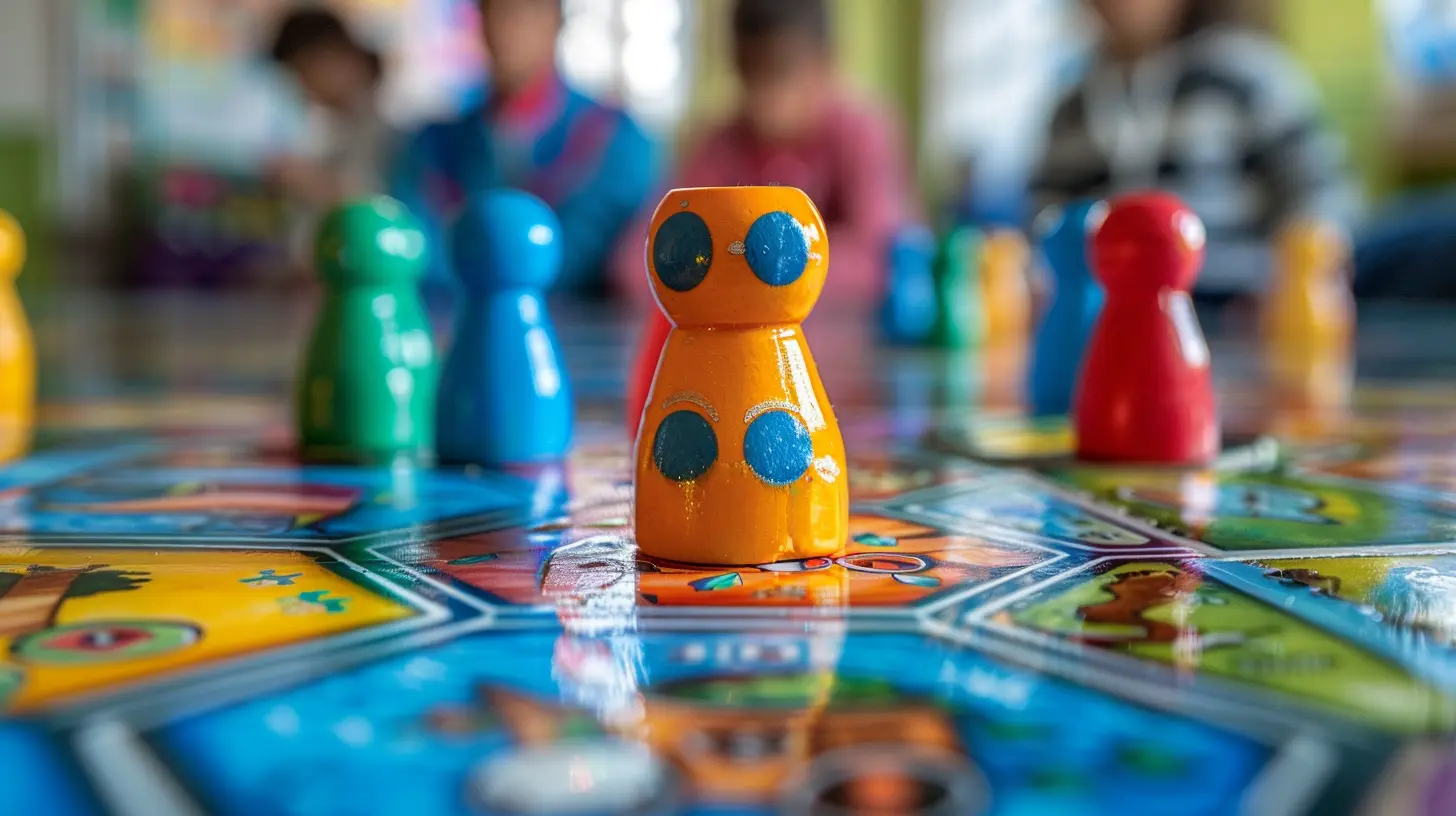
Why Board Games Matter
Before we get into the nitty-gritty, let’s answer the big question—why are board games important for kids?Kids learn best through play. Unlike rigid classroom lessons, games introduce new concepts in a fun, relaxed atmosphere. And because there’s usually a goal (win the game, solve the puzzle, beat mom or dad), children are more motivated to stay focused. It’s kind of like sneaking vegetables into a cheesy casserole—it’s good for them, and they don’t even realize it.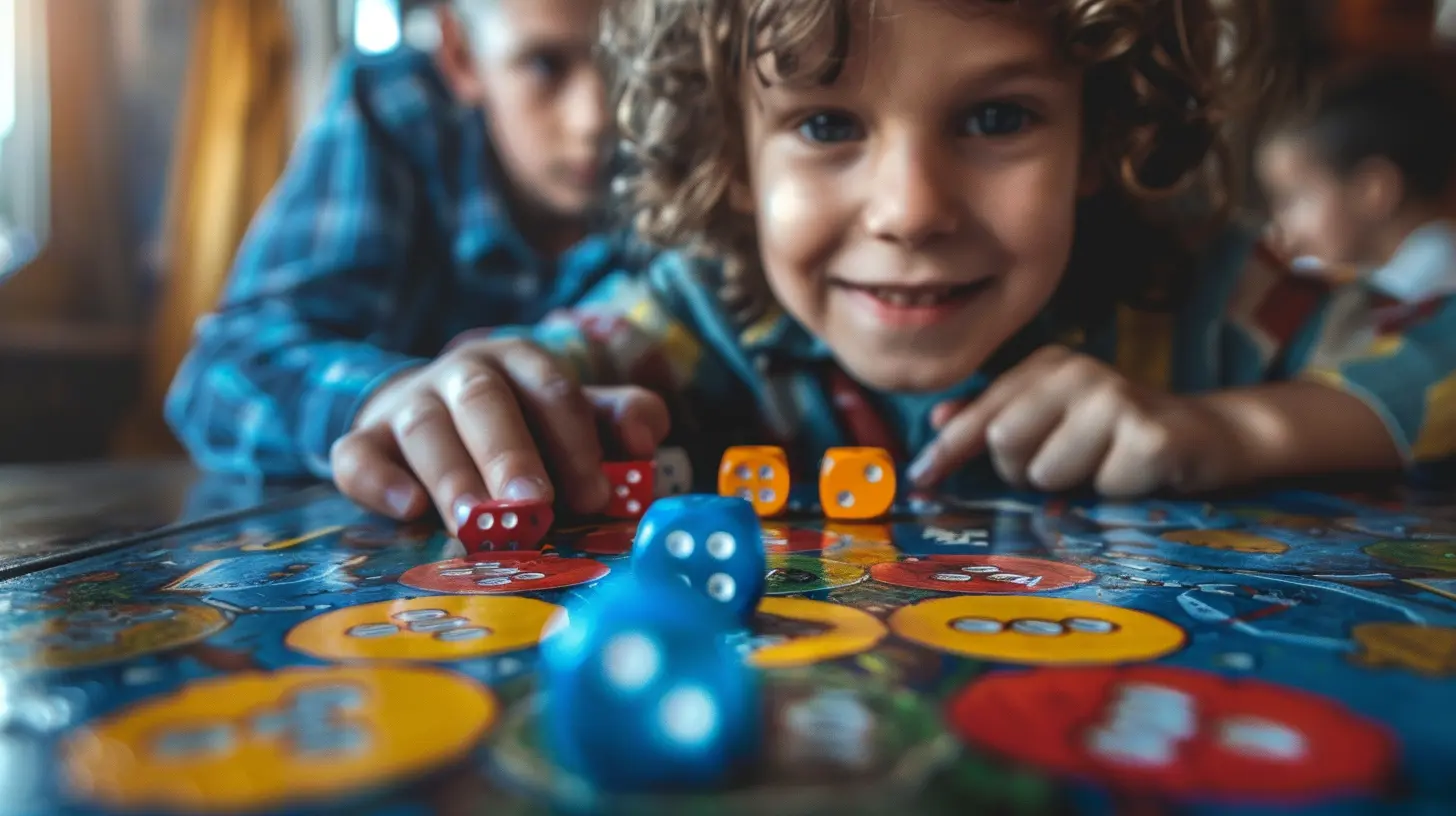
Mental Muscle Builders: Cognitive Development
Let’s start with the brain—the control center of everything your child does. Board games are like a full workout session for those little brains.1. Problem-Solving and Critical Thinking
Most board games involve strategy, logic, and decision-making. Whether it’s figuring out how to block an opponent in Connect Four or mapping a route in Ticket to Ride, kids are constantly asked to think ahead. These small decisions help develop critical thinking and problem-solving skills that stick with them for life.2. Concentration and Attention Span
Have you ever seen a 6-year-old sit still for more than five minutes? If so, you probably had a board game in front of them. Games like Chess or Jenga require intense focus, teaching kids to be patient, pay attention to detail, and remain mentally engaged—skill sets that are golden in both academic and daily life.3. Math and Language Skills
Numbers, vocabulary, and reading comprehension often sneak into game mechanics. Counting spaces, adding points, following written instructions, or even negotiating trades—games weave in academic concepts without the boring worksheets. Bonus: younger kids pick up foundational math and language without even realizing they’re learning.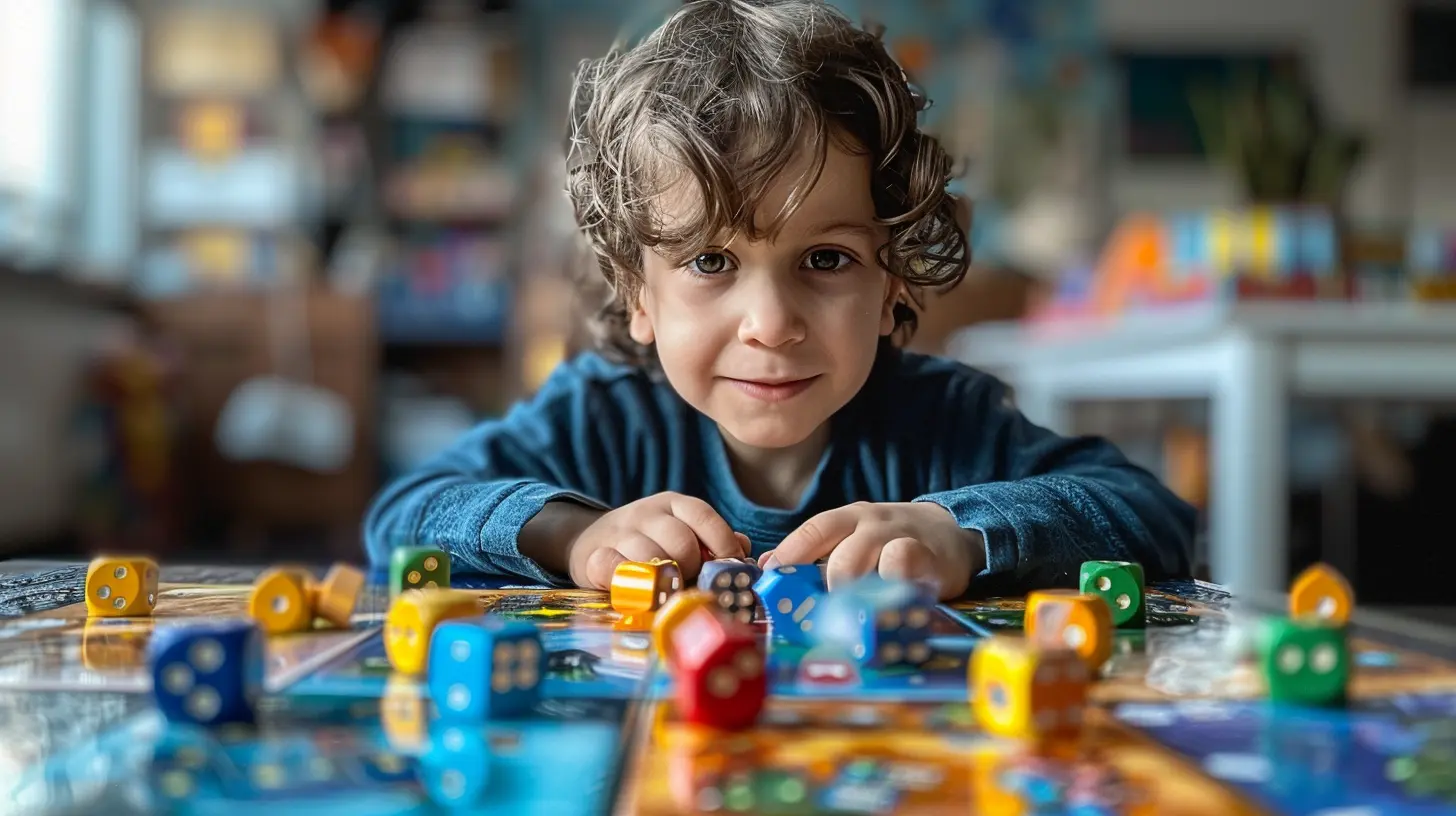
Emotional Development: More Than Just Feelings
It might sound strange, but board games are also emotional boot camps. They teach kids how to win with pride—and more importantly—how to lose with grace.1. Handling Emotions
Losing a game can be tough. It brings out frustration, disappointment, and sometimes tears. But that’s okay. It gives parents and caregivers a valuable opportunity to teach emotional regulation. Over time, kids learn resilience, perseverance, and that it’s okay to not win every time.2. Patience Is a Virtue
Waiting for your turn in a game might seem small, but for a child, it’s a huge lesson in patience and impulse control. Especially in games with multiple players, kids learn that they don’t always get to be first—and that’s okay.3. Building Confidence
Every player loves winning, and for kids, a simple board game victory can be a confidence booster. Completing challenges, mastering strategies, and even just contributing meaningfully to a game helps kids feel capable and smart.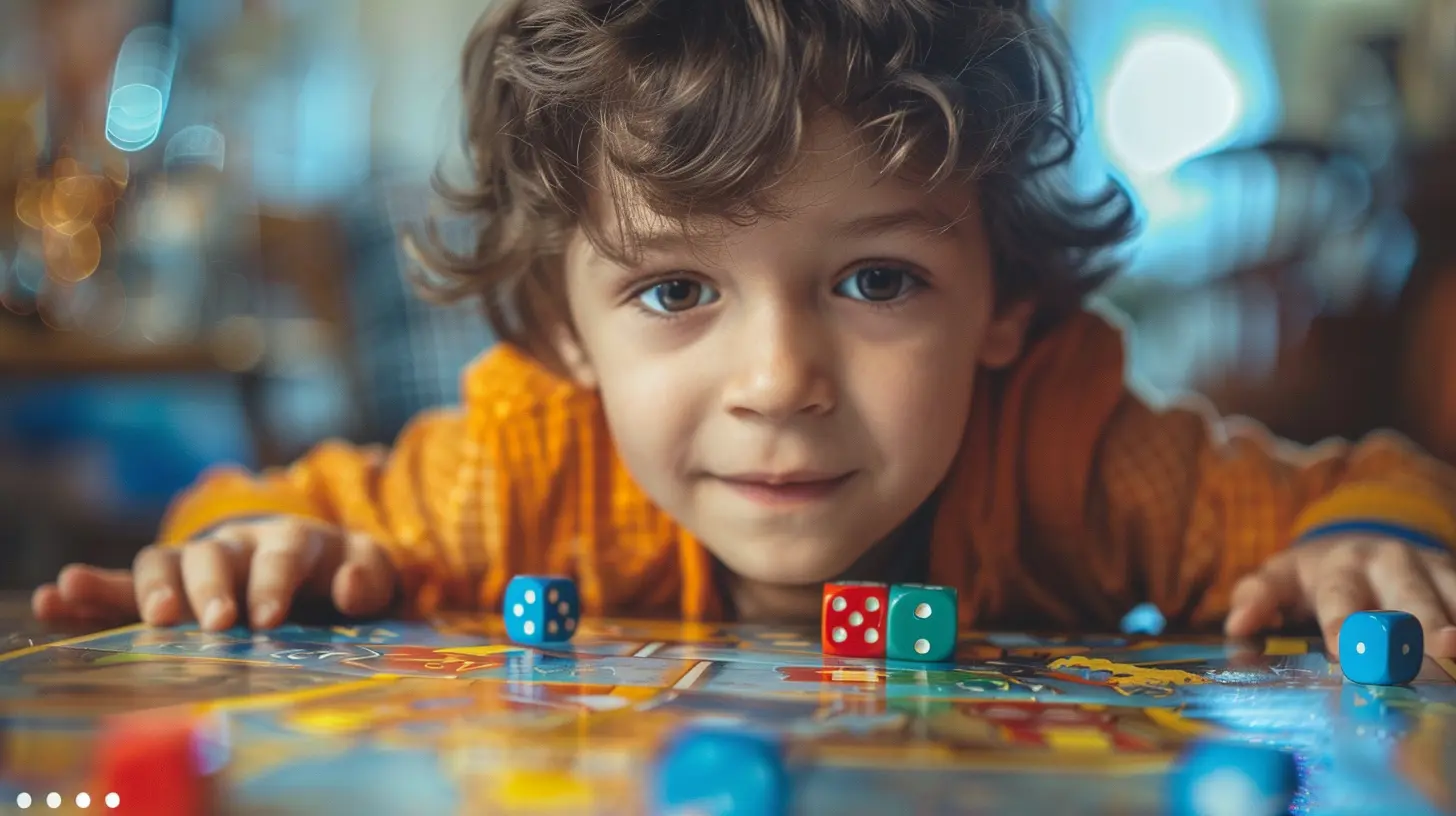
Social Skills: Mastering the Art of Getting Along
Humans are social creatures—and understanding how to play well with others is a skill that begins in childhood. Board games provide a safe and structured space to practice these social interactions.1. Cooperation and Teamwork
Games like Pandemic or Forbidden Island demand team strategy and collaborative problem-solving. Kids learn how to work together, share ideas, and achieve a common goal. These social dynamics reinforce empathy, active listening, and the importance of contributing to a group effort.2. Turn-Taking and Rule Following
Ah, the golden rules of civil society—wait your turn and follow the rules. Simple? Maybe. But these concepts are foundational for functioning in classrooms, playgrounds, and eventually, workplaces. Board games reinforce these behaviors naturally.3. Communication Skills
Whether it’s explaining a move, negotiating a deal, or bluffing in a game like Coup, effective communication becomes second nature. Children learn how to express themselves clearly, listen to others, and even read social cues like tone of voice and body language.Types of Board Games and What They Teach
Let’s break it down even further. Not all board games are created equal—but they each offer unique benefits depending on your child’s age or developmental needs.1. Classic Games for Young Kids
- Candy Land – Helps with color recognition and learning to follow a path.- Chutes and Ladders – Teaches actions and consequences (go up or go down).
- Memory Matching Games – Enhances visual memory and cognitive processing.
2. Strategic Games for Elementary School Kids
- Sorry! and Trouble – Introduce basic strategy and counting.- Clue – Boosts deductive reasoning and memory.
- Chess – Long-term planning, patience, critical thinking.
3. Educational Games
- Scrabble Junior – Language development.- Math Bingo – Reinforces arithmetic.
- ThinkFun Games (like Gravity Maze) – STEM skills in a hands-on way.
4. Cooperative Games
- Outfoxed! – Encourages cooperative logic and deduction.- Zombie Kidz Evolution – Builds shared goals and strategic planning among younger players.
Screen-Free Time in the Digital Age
In a world where kids are glued to tablets, phones, and TVs, board games offer a much-needed break. Don’t get me wrong—educational apps and digital games have their place. But board games promote face-to-face interaction, unplugged creativity, and family bonding in a way screens just can’t replace.Think of them as the analog answer to a digital problem. They bring people to the same physical space, encouraging genuine connection, eye contact, and hearty laughter.
Family Bonding and Quality Time
There’s something magical about sitting around a table for game night. It’s more than entertainment—it’s shared experience. Board games create lasting memories and traditions that families carry forward.For kids, this bonding is gold. It sends the message that they are valued, loved, and worth your time. That emotional safety net shows up later in their self-esteem and their relationships with others.
And let’s be real—parents benefit from game night too. It’s a rare chance to slow down and actually enjoy time with your kids, away from work emails and endless to-do lists.
Adapting Board Games for Special Needs
Here’s something cool—board games are incredibly flexible. With a little creativity, they can be adapted to meet various developmental needs.- For kids with ADHD, choose fast-paced games that keep attention.
- For those on the autism spectrum, look for games that focus on turn-taking and social cues.
- For children with motor difficulties, opt for games with larger pieces or simplified mechanics.
The key is personalization. The goal isn’t to win—it’s to engage, connect, and help your child grow in their own unique way.
The Hidden Curriculum Behind Every Game
Honestly, every board game is like a mini-classroom. They teach:- Resilience: You didn’t win? Try again.
- Integrity: No cheating—even when it’s tempting.
- Focus: Pay attention or you might miss your turn.
- Compromise: Sometimes you let your younger sibling win (and that’s okay).
These lessons don’t come from textbooks—they come from experiences. And the best part? Kids are learning without even knowing they’re learning. How cool is that?
Final Thoughts: Let the Games Begin
So, next time you’re wondering how to help your child develop essential skills—or just want to pry them away from the screen—dust off a board game. Whether it's a classic like The Game of Life or a new cooperative adventure, that humble cardboard box holds much more than you think.Board games aren’t just about moving pieces or stacking cards. They’re about building brains, fostering emotions, connecting with others, and most importantly—having fun while doing it.
So go ahead and roll the dice. Your child’s development is in good hands (yours), and one silly board game at a time, you’re helping shape a future thinker, learner, and leader.
Ready to have some fun?
all images in this post were generated using AI tools
Category:
Games For KidsAuthor:

Emery Larsen
Discussion
rate this article
2 comments
Gabriel McGuire
Board games can be a powerful tool in child development. They foster critical thinking, improve social skills, and encourage teamwork. Playing together also strengthens family bonds. It's amazing how something so simple can have such a profound impact on a child's growth and learning. Let's promote board games for kids!
August 5, 2026 at 4:57 PM
Brianna Lambert
Board games: the original screen time saviors! Who knew rolling dice could build social skills and problem-solving abilities? Watching kids wrestle with strategy while trying not to flip the game board is a true parenting highlight. Plus, nothing says bonding like a little friendly competition and a few snack spills!
June 27, 2026 at 4:05 PM
Emery Larsen
You're spot on! Board games really do create those special moments while helping kids learn important skills. It's fun to watch them navigate strategy and build connections, even if the snacks end up everywhere.