The Role of Technology in Modern Sci-Fi Game Design
8 June 2026
When we think of sci-fi games, we often imagine hyper-advanced civilizations, alien creatures, interstellar travel, and energy weapons that look like something ripped straight out of a future we may never reach. But behind all those dazzling visuals and mind-bending narratives lies a more grounded truth — they’re only possible because of the real-world tech that powers them. Modern sci-fi games owe everything to the tools and innovations shaping their creation. So, let’s dive deep into the evolving role of technology in modern sci-fi game design and unpack how it’s turning imagination into interactive experiences.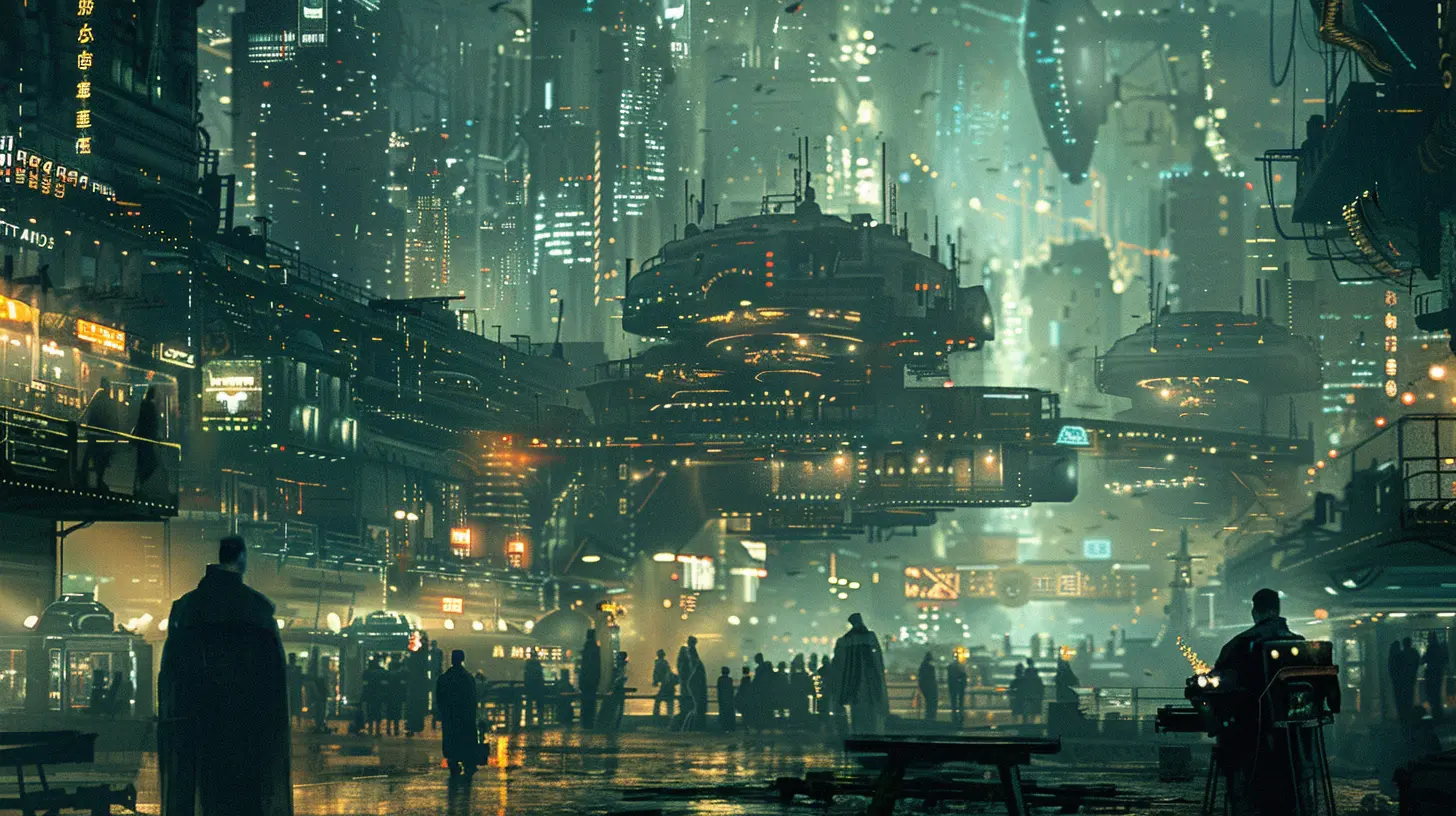
The Evolution: From Pixelated Aliens to Photorealistic Galaxies
Let’s be real — if you played the first _Metroid_ back in the day or even early versions of _StarCraft_, you probably never imagined a time when you’d be piloting your own starship across a procedurally generated universe like in _No Man’s Sky_. We’ve come a long way.A huge part of that progress? Technology.
Graphics engines have gone from barely rendering 2D sprites to creating cinematic, photorealistic sci-fi environments. Just think about the jump from the original _Mass Effect_ to _Mass Effect: Legendary Edition_. The lighting, textures, and animations — all of them enhanced exponentially by tech like Unreal Engine 5.
Let’s break it down further.
Game Engines: The Heart of Sci-Fi Worlds
Imagine trying to build an entire alien planet — every mountain, storm, and strange creature. You’d need some seriously powerful tools, right?That’s where game engines like Unreal Engine, Unity, and CryEngine come into play. These engines act like virtual toolboxes, helping devs sculpt immersive sci-fi environments. They make real-time rendering, dynamic lighting, and volumetric fog feel like magic.
Take Unreal Engine 5’s Nanite and Lumen technologies. They enable incredibly detailed textures and realistic lighting in real time — meaning you can explore a derelict spaceship lit only by the flickering lights of its dying reactor, and it’ll look and feel stunningly real.
Procedural Generation
Procedural generation is another beast entirely, and it’s one sci-fi games absolutely love.Why? Because it lets developers create massive, endlessly explorable galaxies without manually designing every asteroid and space station.
Games like _No Man’s Sky_ use procedural algorithms to generate planets, terrain, lifeforms, and even music. So, when you land on a new planet, there’s a good chance it’s unique — no two players get the exact same experience. All thanks to algorithms grinding under the hood.
Artificial Intelligence: Smarter Aliens, Better Gameplay
Aliens that can flank you, hide, call for help, or predict your playstyle — that’s no accident. AI is the secret sauce that makes sci-fi gameplay feel dynamic and alive.Modern AI goes way beyond basic enemy “seek and shoot” mechanics. Developers are now integrating machine learning techniques to let AI enemies adapt and learn over time.
Take _Alien: Isolation_ — the alien Xenomorph isn’t scripted. It reacts to your actions, learns when you use the same hiding spots, and becomes more unpredictable. That tech-driven unpredictability is key to making sci-fi games thrilling.
AI Companions
AI isn’t just for enemies, either. Think of companions like Cortana from _Halo_ or SAM from _Mass Effect: Andromeda_. They do more than just follow you around — they guide you, talk to you, help with objectives, and make the game world feel less lonely. That level of emotional connection? That’s tech-enhanced storytelling.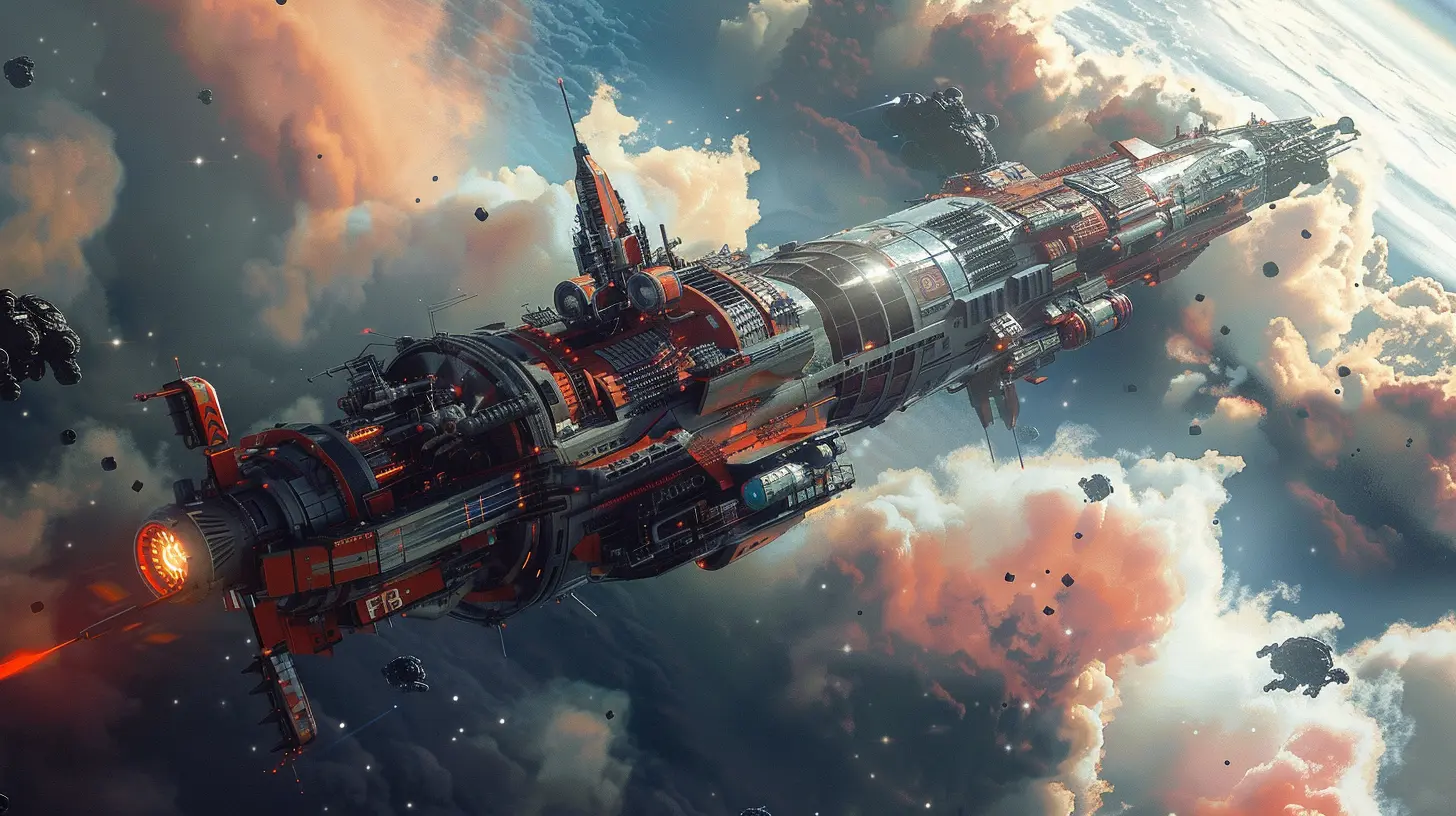
Virtual Reality & Sci-Fi: A Match Made in the Stars
If there’s one genre that REALLY benefits from VR, it’s science fiction. Why just imagine walking on Mars when you can literally do it in VR?Games like _Half-Life: Alyx_, though not strictly sci-fi in the spaceship-sense, showcase how immersive VR can be. You’re not just playing in the world; you’re living in it.
Now imagine that immersion in a game like _Star Trek: Bridge Crew_. You’re sitting in the captain’s seat, barking orders, and engaging warp drives — it’s every sci-fi nerd’s dream, brought to life through VR tech.
Full-Body Immersion
Tech like motion tracking, eye-tracking, and even haptic feedback suits are pushing the envelope further. Developers can now read where you’re looking, how you move, and feed that into gameplay. Suddenly, ducking behind a VR console during a firefight feels intensely real.Audio Tech: Making Space Sound Like Space
Sound design is often the unsung hero of sci-fi game immersion — and modern tech has massively leveled it up.With 3D spatial audio, developers can simulate the direction and distance of sounds. That eerie hum of a reactor core? The hiss of a breached airlock? They feel like they’re happening right next to you.
Games like _Dead Space Remake_ use audio tech to unsettle you at every turn. You hear creaks, whispers, and gruesome sounds that make you feel like you’re not alone, even when you can’t see anything.
Immersive audio turns a simple hallway into a pulse-pounding experience. That’s not just game design — that’s smart tech at work.
The Rise of Cloud Gaming & Sci-Fi Accessibility
Thanks to cloud gaming platforms like NVIDIA GeForce NOW, Xbox Cloud Gaming, and Google Stadia (RIP, but let’s appreciate the idea), high-end sci-fi games are no longer locked behind expensive hardware.Now, you can play visually stunning games like _Cyberpunk 2077_ or _Control_ on your phone, your tablet, or even a smart TV. That’s wild. And it opens up sci-fi gaming to way more people — which is great news for both players and developers.
Even better? Cloud computing allows for huge in-game simulations running in real-time — stuff like massive fleet battles, persistent worlds, and real physics simulations. You’re not just playing a game anymore — you’re interacting with a living universe.
Storytelling Tools: Next-Level Narrative Design
Let’s not forget the storytelling side of sci-fi games. After all, what’s the point of flashy visuals if you’re not hooked by the story?Modern tools are allowing writers and developers to craft branching narratives with meaningful choices. And guess what? This is thanks to tech like narrative engines, dialogue tree systems, and AI-assisted writing tools.
In games like _Detroit: Become Human_ or _The Outer Worlds_, your decisions shape how the story unfolds. You’re not just along for the ride — you’re controlling the fate of entire civilizations.
And it’s not just about choice. Facial animation tech, motion capture, and emotion AI help bring characters to life in ways that make the stakes of those choices feel real.
Multiplayer and Online Integration: Living Sci-Fi Universes
Gone are the days when a sci-fi game ended when the credits rolled. Now, we’re seeing persistent universes that evolve in real-time, thanks to online multiplayer integration.Games like _Star Citizen_ and _Elite Dangerous_ let thousands of players explore, trade, fight, and build in shared sci-fi worlds. Entire galactic economies and political alliances form organically — and that’s all powered by dedicated servers, real-time sync, and AI moderation tools.
The future of sci-fi gaming? It’s not just playing with friends — it’s living in a digital sci-fi society.
Real-World Science Inspiring In-Game Tech
Technology doesn’t just shape how games are made — it inspires the content of sci-fi games themselves.With real-world innovations like quantum computing, neural interfaces, and space exploration, game devs have a treasure trove of scientific concepts to pull from.
Games like _Deus Ex_ explore transhumanism. _System Shock_ dives into cybernetic horror. _The Expanse: A Telltale Series_ grounds itself in hard science. Real tech fuels believable fiction — and that makes sci-fi feel less “science fiction” and more like “science future.”
The Future: AI-Generated Worlds, Smarter NPCs, and More
So where are we headed?Picture this: Worlds designed by AI that adapt to your behavior. NPCs with real conversational abilities. Entire galaxies created in seconds with procedural generation. You’ll speak to characters who remember your past conversations. React accordingly. Build relationships. Hold grudges.
And with neural interfaces on the horizon? One day, you might not even need a controller.
The line between reality and sci-fi gaming? It’s getting blurrier every day.
Final Thoughts: Tech Is the True Star of Sci-Fi Game Design
At the end of the day, while we love our aliens, robots, and space battles, the real MVP behind these unforgettable experiences is the technology making them happen.From jaw-dropping graphics to immersive audio, from branching narratives to intelligent enemies — everything we love about modern sci-fi games is supercharged by tools, engines, and innovations we’ve only begun to tap into.
So next time you’re blasting through a wormhole or hacking into a rogue AI’s mainframe, take a moment to appreciate the real-world tech that made it all possible.
After all, in the world of sci-fi game design, technology isn’t just part of the story — it is the story.
all images in this post were generated using AI tools
Category:
Sci Fi GamesAuthor:

Emery Larsen
Discussion
rate this article
2 comments
Soleil Kline
Technology isn't just a tool; it's the backbone of modern sci-fi game design. Embrace innovation or get left behind. Gamers demand immersive experiences that push boundaries-anything less is simply unacceptable.
July 10, 2026 at 3:47 PM
Emery Larsen
I completely agree. Technology shapes not just gameplay but the entire narrative experience. Embracing innovation is essential for creating truly immersive worlds.
Romina Castillo
In the age of cutting-edge tech, sci-fi games are no longer just stories but immersive experiences. From AI-driven NPCs to stunning graphics, technology shapes gameplay and narrative alike. It's fascinating to see how our gadgets fuel imagination, creating worlds that feel both alien and achingly familiar. What's next for the genre?
June 9, 2026 at 4:08 AM
Emery Larsen
Absolutely, the evolution of tech is reshaping sci-fi games in incredible ways. As we push boundaries, I believe we'll see even more personalized experiences, perhaps integrating deeper AI and virtual reality. The future is limitless.