The Role of Weather Effects in Seasonal Game Design
21 April 2026
Ever noticed how a game feels a little more alive when raindrops start hitting the ground or leaves swirl around on a blustery autumn day? That’s no accident—it’s a deliberate, beautifully crafted decision by game designers to infuse life into their digital worlds. Weather effects in seasonal game design aren't just about adding cool visuals; they're powerful storytelling tools, gameplay enhancers, and mood setters packed into one.
In this article, we’re diving into what makes weather so crucial in designing seasonal gameplay and how it affects the way we engage with games. So, buckle up—clear skies or stormy weather, we’re exploring it all!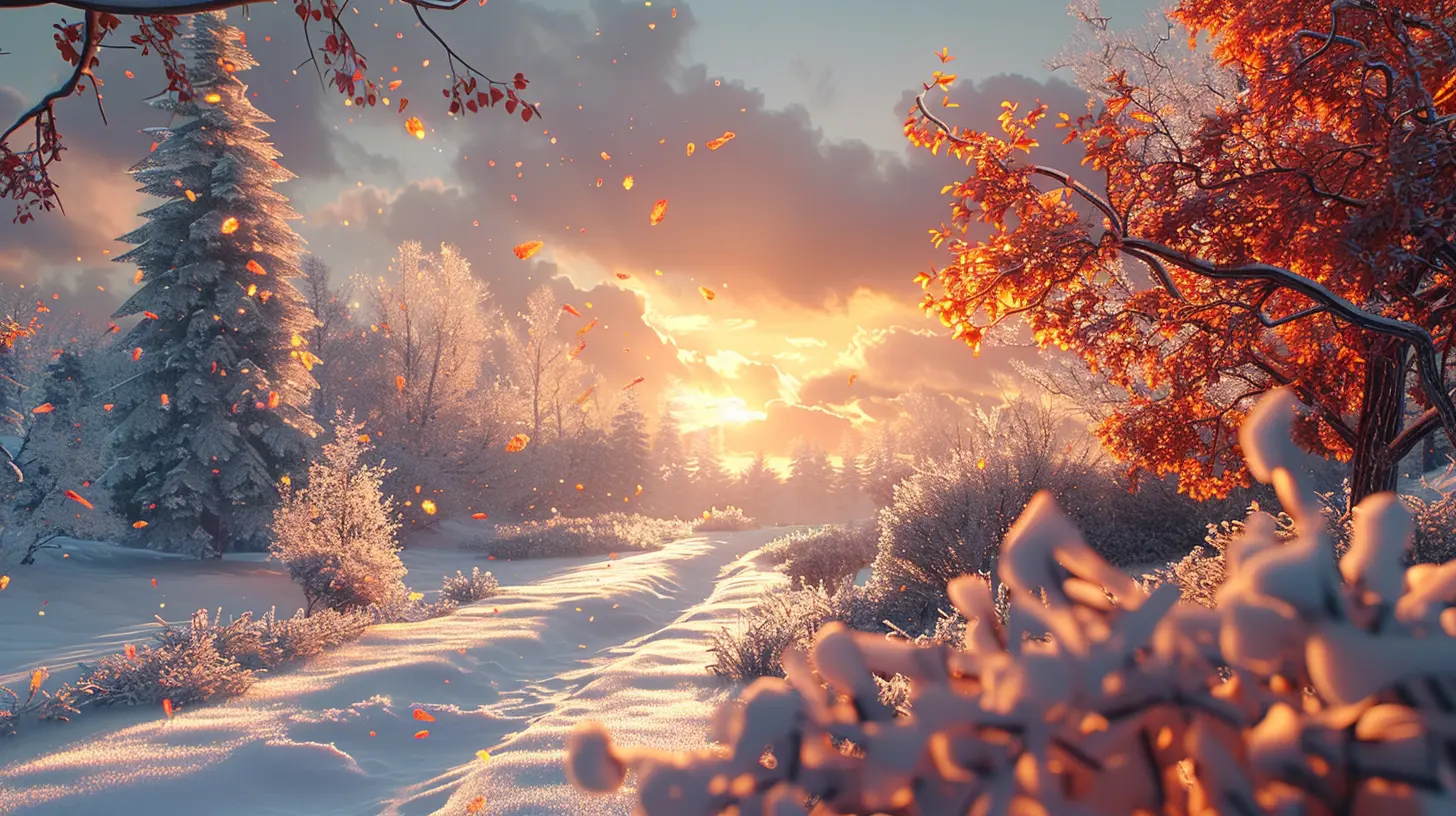
Why Weather Matters in Games
Let’s break it down—why should gamers or developers even care about weather in games?Well, first off, weather adds realism. Imagine playing an open-world survival game where it’s always sunny. No rain, no snow, nada. Not very immersive, right? Weather makes the game world feel dynamic, authentic, and alive.
Then there’s immersion. A sudden downpour can instantly shift the mood. It tells your brain, “Hey, things just got serious.” Whether it's fog rolling in during a stealth mission or snow covering the battlefield before a boss fight, it pulls you deeper into the experience.
And don’t forget challenge. Weather isn't just aesthetic—when used right, it can impact gameplay in meaningful ways. Slippery roads in a racing game or low visibility during a sniper mission make you adapt, rethink, and stay engaged.
What Is Seasonal Game Design?
Seasonal game design is when developers build game content around the idea of changing seasons—fall, winter, spring, and summer. Think about how Animal Crossing mirrors real-world seasons, or how Fortnite changes its maps and events with the passing months.This design approach boosts long-term engagement. Players come back to see what’s new. The world evolves, offering fresh opportunities, visuals, events, and yes—you guessed it—weather.
Weather Effects: More Than Just Eye Candy
Weather effects in games go far beyond pretty skies or fluttering snowflakes. Let’s break down how they play a role in core aspects of seasonal game design.1. Setting the Mood (Atmosphere FTW)
Mood is everything. Whether you’re creeping through a foggy cemetery or basking in a sunny open-world field, weather sets the emotional tone.- Winter: Snow and muted lighting create a calm or even somber atmosphere.
- Fall: Falling leaves, grey skies, and soft breezes bring a nostalgic, reflective mood.
- Spring: Blooming flowers with light rain? The perfect mix of renewal and hope.
- Summer: Bright, open skies with the occasional thunderstorm for sudden drama.
Weather is like the background score—often subtle but wildly effective in shaping how we feel.
2. Driving Dynamic Storytelling
Games are all about stories, and weather can be a key narrative tool.Why not make the final battle take place in a thunderstorm? How about tying a festival quest-line with the spring blossom bloom? By syncing weather with plot points, designers create memorable experiences that feel organic.
In games like Red Dead Redemption 2 or The Witcher 3, weather changes often accompany story beats, making the world feel reactive to the player’s journey.
Examples of Weather in Seasonal Game Design
Let’s look at how some fan-favorite games use weather to elevate seasonal design.❄️ Animal Crossing: New Horizons
This is a masterclass in seasonal worldbuilding. Each season brings unique weather patterns:- Spring showers
- Summer thunderstorms
- Autumn breezes
- Winter snowstorms
These aren’t just for visuals; they affect which insects or fish are available, the look of your island, and even the events that occur. It’s personal, it’s engaging, and it keeps you coming back.
?️ Fortnite
Epic Games takes seasonality to the next level. With each “season” of the game (not just the literal season), we see weather-related environmental changes—icy terrain in winter-themed seasons, sandstorms in desert updates, and more.Not only does this keep the game visually fresh, but it also introduces new gameplay mechanics tied to the environment.
☔ The Legend of Zelda: Breath of the Wild
Rain in this game isn’t just visual. It impacts how you play. Climbing becomes harder, fires die out, and lightning may strike you if you’re wearing metal gear. This is weather as a tactical factor—and it’s brilliant.How Weather Enhances Gameplay Mechanics
Weather isn't just for show. Here’s how it can genuinely shake up gameplay across different genres.1. Survival Games
In games like Don’t Starve or the Long Dark, weather can be the difference between life and death. Think:- Hypothermia from freezing temps
- Wet clothes that weigh you down
- Food spoilage during heatwaves
This unpredictability mimics real-world survival and encourages strategic preparation.
2. Racing Games
Ever tried drifting on a rain-slick track in Forza Horizon or Need for Speed? Yeah, it’s intense. Weather keeps gameplay challenging and diverse. No two races feel the same when you throw in elements like:- Foggy visibility
- Slippery roads
- Wind affecting top speed
3. Stealth & Strategy
Rain can mask your footsteps, snow can slow you down, and fog hides both you and the enemy. These aren’t just aesthetic changes—they impact tactics. This makes each play session feel fresh and gives players multiple ways to approach objectives.Creating Immersive Seasonal Transitions
Here’s the fun part: transitioning between seasons. If done right, it creates an ongoing emotional journey for the player.Games like Stardew Valley nail this. You start in spring with new crops and festivals, ease into a sunny summer, gather leaves in autumn, and cozy up by the fire in winter. Each transition brings new activities, visuals, and yes—weather.
Weather here works like a visual and mechanical bridge. Rain in spring helps crops grow. Snow in winter pushes you towards indoor tasks. It’s a subtle way to guide player behavior without ever saying a word.
Realism vs. Fun – Striking the Balance
Too much realism can frustrate players. Not everyone wants to plan around rain delays or gear up for cold weather.So how do game developers strike the right balance?
- Toggle Options: Some games let you choose whether weather has gameplay consequences or is purely aesthetic.
- Predictability: Even unpredictable weather should have indicators—like cloud buildup before a storm.
- Balance Impact: Bad weather shouldn’t feel like punishment. It should feel like an opportunity to adjust strategy.
Smart seasonal game design finds the sweet spot between immersive realism and enjoyable gameplay.
The Psychology of Weather in Games
There’s a psychological edge to it too. Weather taps into human memory and emotion.- Rain can evoke calm, sadness, or introspection.
- Sunlight boosts mood and energy (even virtually).
- Snow brings nostalgia and a sense of wonder.
Designers aren’t just manipulating pixels; they’re manipulating feelings. When a player feels connected to the world, they’re more likely to return to it day after day.
Future of Weather in Games: Where We’re Headed
As technology evolves, so will weather systems in games.1. Real-Time Weather Integration
Some games are experimenting with syncing game weather to real-world weather. If it’s raining in your city, it could be raining in your game too. Creepy? Maybe. Cool? Absolutely.2. AI-Driven Weather Systems
Procedural weather generation? AI is opening doors for dynamically evolving climate systems that adapt as you play. Imagine weather that changes depending on your decisions, alliances, or progress.3. Environmental Storytelling
Future games might use weather as a primary storytelling mechanic. Think post-apocalyptic storms representing emotional loss, or precision lightning strikes that foreshadow key events.Final Thoughts: Why Weather Deserves More Love
Weather effects in seasonal game design are far more than fancy window dressing. They breathe life into virtual worlds, challenge the player, and tell subtle stories that stick with us long after we finish the game.So, next time a snowfall slows your steps or a thunderstorm rolls in during a boss fight, don’t just admire the view. Appreciate the brilliant design work that made that moment feel so incredibly real.
And if you’re a developer? Never underestimate what a well-timed breeze, a crack of lightning, or a gentle snowfall can do for your game.
all images in this post were generated using AI tools
Category:
Seasonal EventsAuthor:

Emery Larsen
Discussion
rate this article
2 comments
Patience Wilkins
This article offers a fascinating perspective on how weather effects can enhance gameplay and immersion. Your insights into seasonal design elements highlight the importance of environmental dynamics in creating engaging experiences. I appreciate the thoughtful analysis and look forward to seeing how developers continue to innovate in this area. Thank you!
April 29, 2026 at 3:49 AM
Emery Larsen
Thank you for the kind words! I'm glad you found the insights valuable. It's an exciting time for game design, and I can't wait to see where it goes next.
Maisie Strickland
Weather effects are essential; they enhance immersion and challenge, significantly shaping the gaming experience.
April 26, 2026 at 2:48 AM
Emery Larsen
I completely agree. Weather can transform a game's atmosphere and push players to adapt, making every session unique and engaging.