Top Cooperative Games That Teach Teamwork to Kids
8 May 2026
Let’s get one thing straight—kids need to learn teamwork. Not just, “Let’s all share the crayons” kind of teamwork. I’m talking about the real deal: planning, communication, problem-solving, and knowing when to pass the ball instead of hogging the glory. But here's the kicker—who said learning teamwork has to be boring?
Enter cooperative games: the fun, chaos-filled, giggle-inducing solution to teaching collaboration without making it feel like a lecture. In this article, we’re diving headfirst into the top cooperative games that teach teamwork to kids, all while they think they’re just having a great time.
So buckle up, whether you're a parent, teacher, or someone who’s tired of hearing "I can do it myself!"—you’re gonna love this list.
Why Cooperative Games Are More Than Just Playtime
Let’s drop some truth here: kids learn best when they’re not being told what to do. That’s why cooperative games are so powerful. They sneak in life skills like problem-solving, empathy, leadership, and flexibility—all wrapped up in a fun package.Instead of competing against each other, kids work toward a common goal. There’s no "I win" or "You lose"—it’s "We did it together!" That mental shift from me to we? That’s golden.
Now it’s time to see which games are actually worth your time.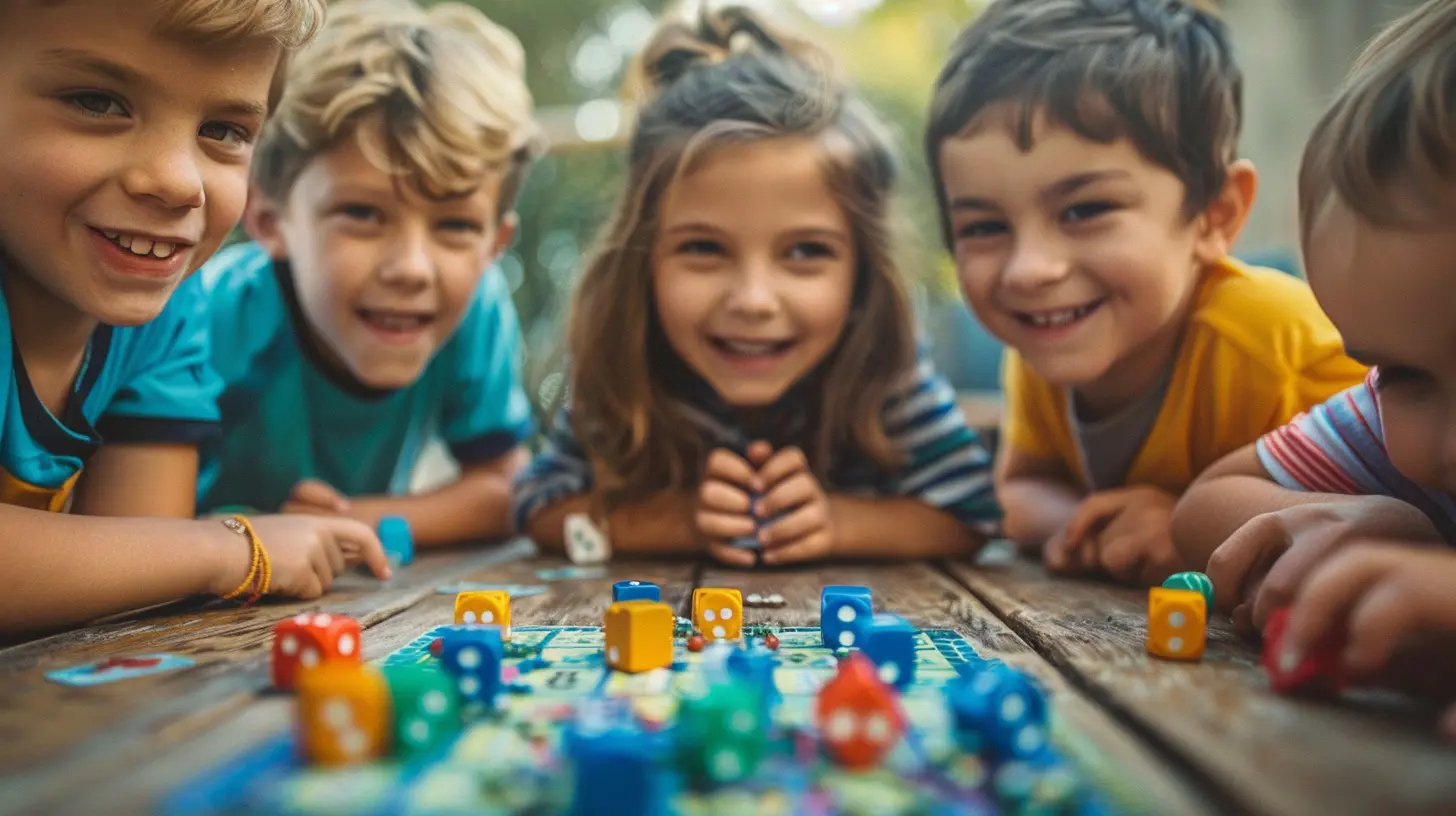
1. Outfoxed! – A Clever Whodunit for Little Detectives
Ages: 5+Players: 2-4
This one's a gem. Outfoxed! is basically Clue for the younger crowd, except everyone works together to find out which sly fox stole the pie (yes, really).
Each player takes turns gathering clues and eliminating suspects using a decoder tool. The catch? Time's ticking. If the fox escapes before the team cracks the case, everyone loses.
Why It Teaches Teamwork:
Kids have to share ideas and think critically as a group. No lone wolf moves allowed here—you either collaborate, or the pie-snatcher gets away. It’s perfect for developing communication skills and encouraging young detectives to listen to one another.
2. Hoot Owl Hoot! – Beat the Sun, Save the Owls!
Ages: 4+Players: 2-4
This game is cuteness overload. The goal? Work together to help a group of owls get back to their nest before the sun rises.
It’s color-coded and simple enough for preschoolers, but don’t be fooled—it teaches the foundations of strategic thinking and teamwork.
Why It Teaches Teamwork:
Players must discuss the best moves for the group. You’ll literally hear kids saying, “Let’s do this one first so the other owl can catch up!” That’s teamwork in action. No sore losers, no tantrums—just high-fives all around.
3. Pandemic: Hot Zone – A Junior-Friendly Global Crisis
Ages: 8+Players: 2-4
Okay, the name might sound… intense. But hear us out.
This kid-friendly version of the classic Pandemic game tasks players with stopping viruses before they spread out of control. Everyone takes on a unique role with special abilities. The goal? Coordinate, plan, and execute a strategy to save the world.
Why It Teaches Teamwork:
It’s all about role distribution, planning moves, and balancing personal skills with team objectives. You can’t win on your own, no matter how smart you are. That lesson? Pure gold.
4. Race to the Treasure! – Strategic Paths and Monster Dodging
Ages: 5+Players: 2-4
This one’s from Peaceable Kingdom, and it’s a hit in classrooms and homes alike.
Players work together to create a path to a treasure while avoiding an ogre. Sounds simple, right? But the random tile placement adds a layer of strategy that forces players to communicate constantly.
Why It Teaches Teamwork:
It’s the perfect mix of planning and reacting. Kids get to practice problem-solving as a group, and they learn that sometimes, changing the plan is all part of winning—as a team.
5. Forbidden Island – Indiana Jones Vibes with Real Consequences
Ages: 10+Players: 2-4
Think of this as the younger cousin to Pandemic—but set on a sinking island filled with ancient artifacts. Players must recover treasures and escape before the island disappears underwater.
This isn’t your average kids’ game—it’s intense, fast-paced, and demands real strategy.
Why It Teaches Teamwork:
Every role matters. Players must coordinate moves, manage resources, and make sacrifices for the greater good. Trust me, nothing builds teamwork like deciding who goes down with the island to save the rest.
6. Max the Cat – Big Heart, Even Bigger Lessons
Ages: 4+Players: 1-8
This gentle-yet-thrilling game invites kids to help a mouse, bird, and chipmunk get home safely while avoiding the house cat, Max. Here’s the twist—you can actually invite Max to take naps or snacks to slow him down.
Why It Teaches Teamwork:
Players debate and plan every move together. Should they move the mouse first or bribe Max with catnip? They’ll have to agree—quickly. Plus, it subtly teaches empathy as kids root for prey animals in danger.
7. Space Escape: Mole Rats in Space – Teamwork… in Outer Space
Ages: 7+Players: 2-4
Astronaut mole rats? Yep. This one’s out-of-this-world fun and surprisingly strategic. Players collect gear and race to the escape pod while avoiding snakes and system malfunctions.
Why It Teaches Teamwork:
It’s practically a crash course in group decision-making. Every move can affect someone else, so players must constantly talk, adapt, and stay united—or face a snakey end.
8. The Mind – Silent Strategy at Its Best
Ages: 8+Players: 2-4
This one’s wild. In The Mind, players receive numbered cards and must play them in ascending order—without speaking. It’s a test of timing, intuition, and connection.
Sounds strange? It is. Yet it somehow creates an intense unity without a single word spoken.
Why It Teaches Teamwork:
Kids learn to pay close attention to others’ actions and body language. It’s a masterclass in non-verbal communication and group intuition. Not to mention, the teamwork high when you nail a round is unmatched.
9. Just One – Say the Right Clue, Together
Ages: 8+Players: 3-7
In this party-style word game, players try to guess a mystery word using one-word clues from the group. But duplicate clues get canceled out, so originality and coordination are key.
Why It Teaches Teamwork:
This one is all about reading the room. Players must think creatively but also anticipate what others might say. It’s hilarious, chaotic, and downright brilliant for group dynamics.
10. Castle Panic – Defend the Kingdom or Watch It Fall
Ages: 7+Players: 1-6
Castle Panic puts players in the hot seat—defending their fortress from a relentless monster onslaught. It’s part tower defense, part card strategy, and all about collaboration.
Why It Teaches Teamwork:
Every decision affects the group. Trading cards, sacrificing resources, and reacting under pressure brings kids together like no other game.
The Secret Power of Cooperative Games
Here’s what they don’t tell you on the game box: cooperative games can change how kids see themselves and each other.No more pointing fingers. No tantrums when they lose. No “I can do it better” attitudes. Instead, you get kids who ask, “How can I help?” They learn that everyone’s voice matters, and that success is sweeter when it’s shared.
Bonus: These games also help kids manage frustration, think critically, and become better leaders by being better teammates.
Choosing the Right Game For Your Kid
Need help picking? Ask yourself:- How old is your child?
- Are they patient or more go-go-go?
- Do they enjoy fantasy, mystery, or animals?
- How many players are usually around?
You don’t need a massive game library. Just 2–3 solid cooperative games can build a powerful foundation of teamwork skills that’ll stick for life.
Final Thoughts: Let the Games Begin
Teamwork isn’t taught with lectures—it’s lived, practiced, and built through shared experiences. Cooperative games are your secret weapon.So start small, keep it fun, and watch as your kid transforms into the ultimate team player, one dice roll at a time.
Now grab a game, rally the squad, and show those monsters (or foxes or viruses) who’s boss—together.
all images in this post were generated using AI tools
Category:
Games For KidsAuthor:

Emery Larsen
Discussion
rate this article
2 comments
Anika McCune
This article highlights the importance of teamwork in kids' development. Cooperative games not only build communication skills but also foster empathy and collaboration. It's great to see games being used as tools for valuable life lessons, helping children grow into supportive and understanding individuals.
May 25, 2026 at 3:28 PM
Emery Larsen
Thanks for your insight! I'm glad you see the value of cooperative games in developing essential skills in kids. They really do set the foundation for strong relationships.
Jet Conrad
Great picks! Teamwork makes learning fun and engaging.
May 19, 2026 at 3:22 PM
Emery Larsen
Thanks! I believe teamwork really enhances the learning experience for kids. Glad you enjoyed the picks!