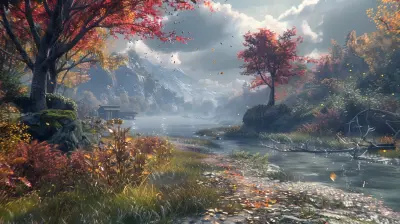
Why Sci-Fi Games Are a Perfect Fit for Open-World Exploration
28 July 2026
So, let’s be honest—open-world games are pretty amazing. That feeling of stepping into a massive digital playground with no roadmap? Priceless. Now throw in some futuristic tech, alien planets, space travel, and the mind-bending “what if”s of science fiction, and you've got a recipe for pure gaming magic. That’s why sci-fi games aren't just a good fit for open-world exploration—they're the perfect match.
Let’s break down why this combo works like peanut butter and jelly, or, in gamer terms, like a plasma rifle and unlimited ammo.
The Boundless Nature of Sci-Fi Fuels Limitless Worlds
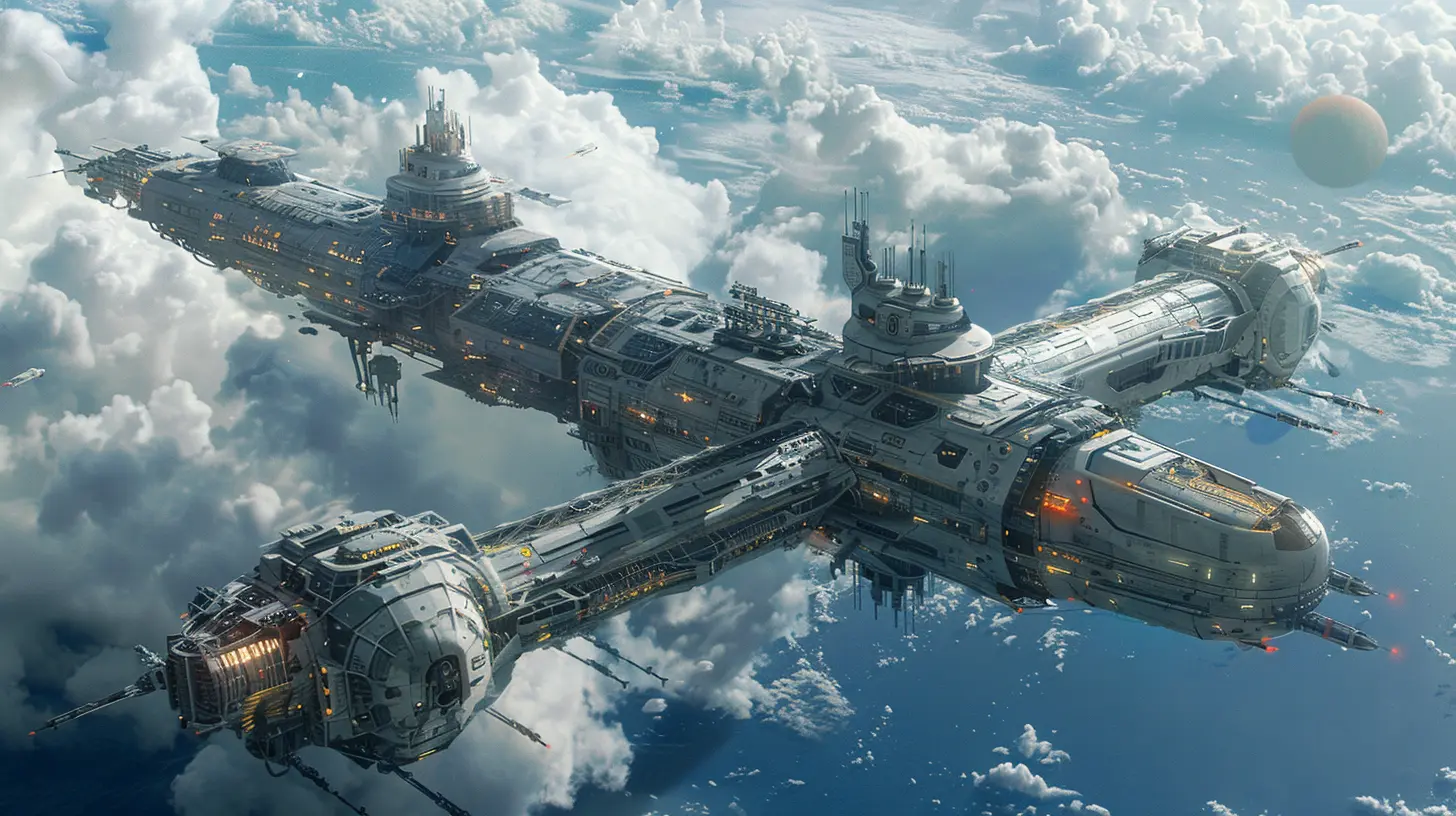
First off, sci-fi doesn’t play by the rules. While medieval fantasy games are often anchored by swords, castles, and relatively grounded lore, science fiction is limitless. Want to design a planet where gravity works sideways? Sure. Fancy a city floating above a black hole? Go for it.When there's no real-world logic holding you back, game developers can go nuts—and we, the players, get to enjoy the ride. Sci-fi gives creators a blank canvas and says, “Paint the universe.” That freedom is what makes exploring open worlds in sci-fi games so mind-blowingly fun.
Think about it. Nobody bats an eye when you’re riding a hover-bike across molten lava plains or teleporting between galaxies. It all just... fits. The genre allows unlimited creativity, and open-world design thrives on that kind of freedom.
Open Worlds Are Meant to Be Explored—And Sci-Fi Makes It Worthwhile
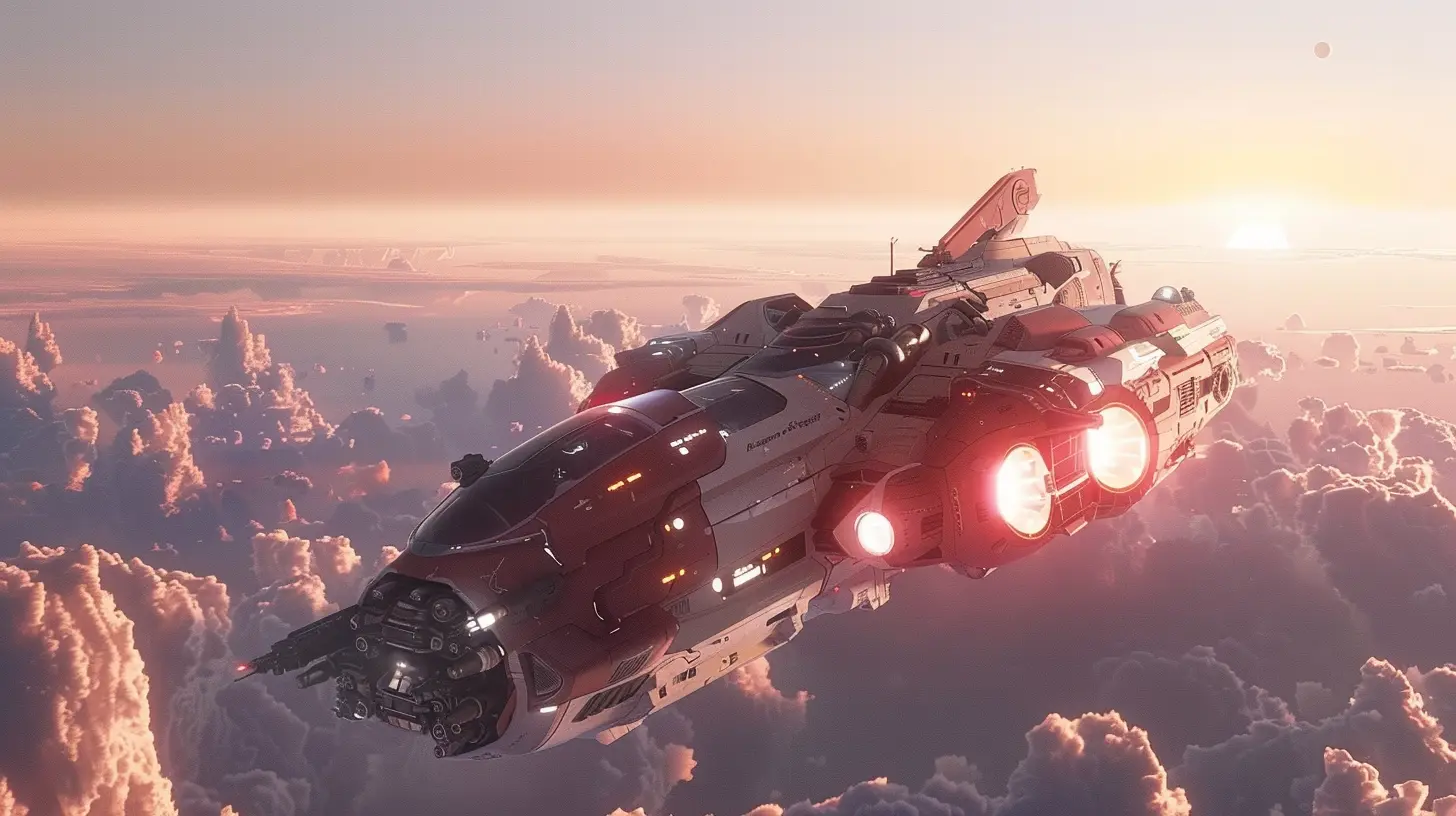
Let’s put it this way: exploration is only fun when there’s something worth seeing. And sci-fi? It’s full of jaw-dropping sights. Alien ruins, abandoned space stations, robot-infested wastelands, neon-soaked mega-cities—this genre practically screams “go see what’s over that next hill.”In other open-world games, you might explore to unlock parts of a map. In a sci-fi game, you explore because you genuinely want to know what kind of weird—and probably dangerous—stuff is out there. Curiosity is the engine, and sci-fi pumps the gas.
Ever played No Man's Sky? You're dropped into a procedurally generated galaxy with 18 quintillion planets. That number’s so big it may as well be science fiction itself. That’s the kind of sandbox that only the sci-fi genre could pull off without it feeling forced or over-the-top.
Sci-Fi Tech Enhances Traversal and Gameplay Variety
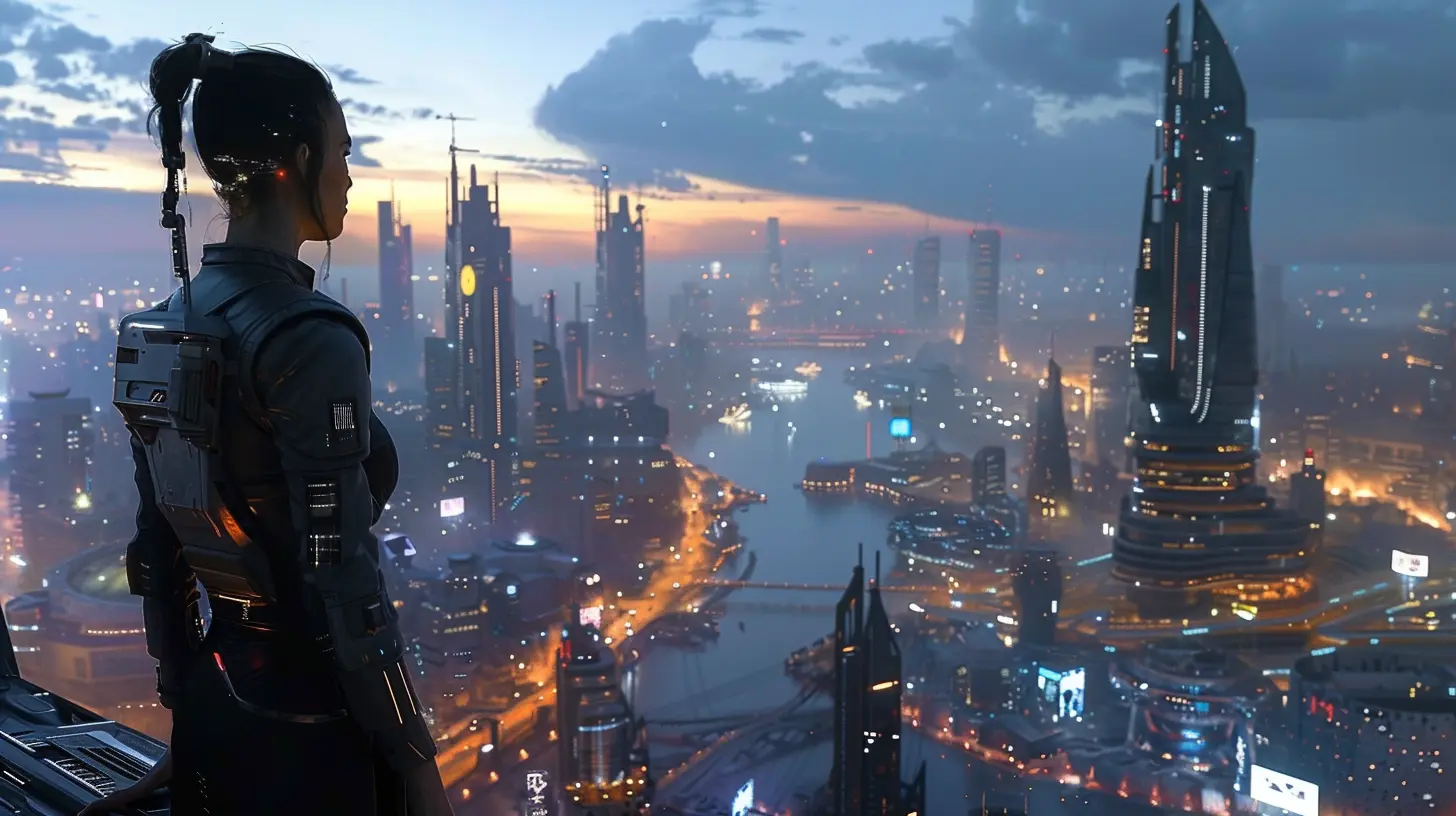
Here's the thing: you can only walk across forests and climb mountains so many times before it gets stale. But chasing down a rogue AI on a jetpack or zooming across alien terrain in a hovercraft? Now we're talking.Sci-fi games bring in tech that makes getting around the world not just easier, but way more fun. Jetpacks, teleporters, mech suits, gravity-defying boots—the tools of the futuristic trade keep gameplay fresh and dynamic.
Not to mention, these tools open up verticality. You're not limited to just what’s at ground level anymore. Want to climb to the top of a floating spire in the clouds? Strap on your exo-suit and hit the boosters. The environment becomes a three-dimensional puzzle playground, and you’re the kid with all the coolest toys.
Deep Lore and World-Building? Sci-Fi Does It Best
You know those games where you stumble across a half-buried data log from a long-dead civilization, and suddenly you're hooked on uncovering the whole backstory? That’s classic sci-fi. The genre’s obsession with timelines, history, and "what went wrong here" makes exploration more than just sightseeing—it's detective work in space.Open-world games thrive when their worlds feel lived in, and sci-fi doubles down on that with rich lore. Post-apocalyptic futures, galactic empires, AI rebellions, alien invasions—every corner of a sci-fi map has a story to tell. The deeper you dig, the more you’re rewarded.
Let’s be real: part of the fun of open-world exploration is piecing together the narrative on your own terms—no hand-holding, no linear tracks. Sci-fi gives you that freedom and bakes in mystery and intrigue that keep you coming back.
Choice and Consequence Feel More Impactful in Sci-Fi Settings
In sci-fi titles, morality isn't black and white—it lives in the gray areas. Should you side with humans or the alien race that just wants peace? Reboot a rogue AI or shut it down for good? These decisions ripple throughout the world, and in an open-world game, you see those ripples play out in real time.Because these sci-fi worlds are often politically and morally complex, your choices feel weighty. The open-world format amplifies it—you’re not just flipping switches in cutscenes, you're watching entire factions rise or fall based on your actions. That kind of player agency is pure gold in immersive gameplay.
Alien Ecosystems Make Exploration Dangerous and Exciting
Let’s talk survival. In many sci-fi games, you’re not just exploring for fun—you’re trying not to get eaten by that acid-spitting bug that lives under a glowing mushroom tree. And honestly, that tension makes every step feel more meaningful.Imagine wandering into an uncharted cave system on a toxic planet. You’ve only got enough oxygen for ten minutes, your radiation levels are spiking, and you hear something skittering in the shadows. That blend of exploration and suspense? It’s pure sci-fi, and it’s why this genre makes open-world gameplay so gripping.
Nope, you’re not just walking from point A to B. You’re navigating an alien world that doesn’t care if you survive. And that danger keeps you engaged in ways that standard open-world games just can’t replicate.
Customization and Progression Fuel Player Investment
One of the best parts of any open-world game is watching your character grow. In sci-fi games, that evolution feels even cooler because you're not just getting stronger—you’re often modifying yourself with nanotech, cybernetic implants, or alien DNA.This also includes upgrading your gear in bonkers ways—turning a basic blaster into an anti-gravity cannon or tricking out your space suit for deep-space survival. Your choices in customization often open up new areas or secret paths, which feeds right back into that exploration loop.
The more you invest, the more capable (and cooler) your character becomes. In sci-fi settings, those upgrades feel like real game-changers, not just cosmetic tweaks. That feedback loop of explore, upgrade, repeat? Chef’s kiss.
The Soundtracks and Visuals Are Out Of This World (Literally)
Let’s not overlook the sensory experience. Sci-fi worlds are a playground for a game’s audio and visual teams. From eerie synthwave soundtracks to neon-drenched cityscapes, these games are an art director’s dream.When you're flying through a wormhole or walking through a star-lit desert with pulsing alien flora, the atmosphere is half the experience. Sci-fi games often push boundaries with tech and design that completely suck you into the world. You’re not just playing—you feel like you’re somewhere else entirely.
Multiplayer and Shared Exploration Take It to the Next Level
Open-world sci-fi games like Star Citizen and Elite Dangerous show just how powerful shared exploration can be. Travelling through the stars with friends, stumbling across pirate outposts, or discovering a new galaxy together? That’s next-level immersion.Sci-fi naturally supports massive online universes. And because the genre thrives on endless potential, multiplayer elements feel right at home. You’re not just players—you’re explorers, smugglers, rebels, or captains of your very own ships.
Playing with others in a boundless space setting makes every mission unpredictable—and that spontaneity is key to long-term engagement in an open-world title.
The Future Is the Ultimate Playground
At its core, sci-fi is about potential—the future, the unknown, the idea that anything could happen. That’s why it vibes so naturally with open-world design. These games aren't just giving you a map to explore—they’re inviting you to chart your own course through a world that’s still being written.It’s not just about freedom. It’s about possibility. Sci-fi feeds that hunger for the new, the strange, and the unexplained. When done right, it turns a game into a galaxy of choices, challenges, and meaningful stories—each one shaped by how and where you choose to explore.
Final Thoughts
So yeah, sci-fi and open-world gaming? A match made in the stars.Whether you're scavenging ancient alien tech, hopping through wormholes, or piecing together the downfall of a long-lost civilization, these games keep you invested like few others can. The genre’s freedom, imagination, and scope are just too good a fit for the open-world format to ignore.
If you haven’t yet lost yourself in a sprawling sci-fi epic, now's the time. Strap into your starship, kick the thrusters, and see where the galaxy takes you. Trust me, the future’s never been so much fun.
all images in this post were generated using AI tools
Category:
Sci Fi GamesAuthor:

Emery Larsen