Why Some Game Worlds Feel Completely Empty
15 July 2026
Ever booted up a game, excited to lose yourself in a brand-new open world—just to end up wandering through a massive, lifeless map that feels more like a ghost town than a fantasy realm? You're not alone. It’s a strange phenomenon. On paper, the game promises epic adventures, deep lore, and expansive lands, but in practice? Something feels… off. Hollow. Like the soul of the game got lost somewhere in development.
Why does this happen? Why do some game worlds feel so incredibly empty, even when they’re visually stunning or technically massive? Grab your snacks and get comfy—we're diving into the reasons behind this digital emptiness and how developers sometimes miss the mark when crafting immersive worlds.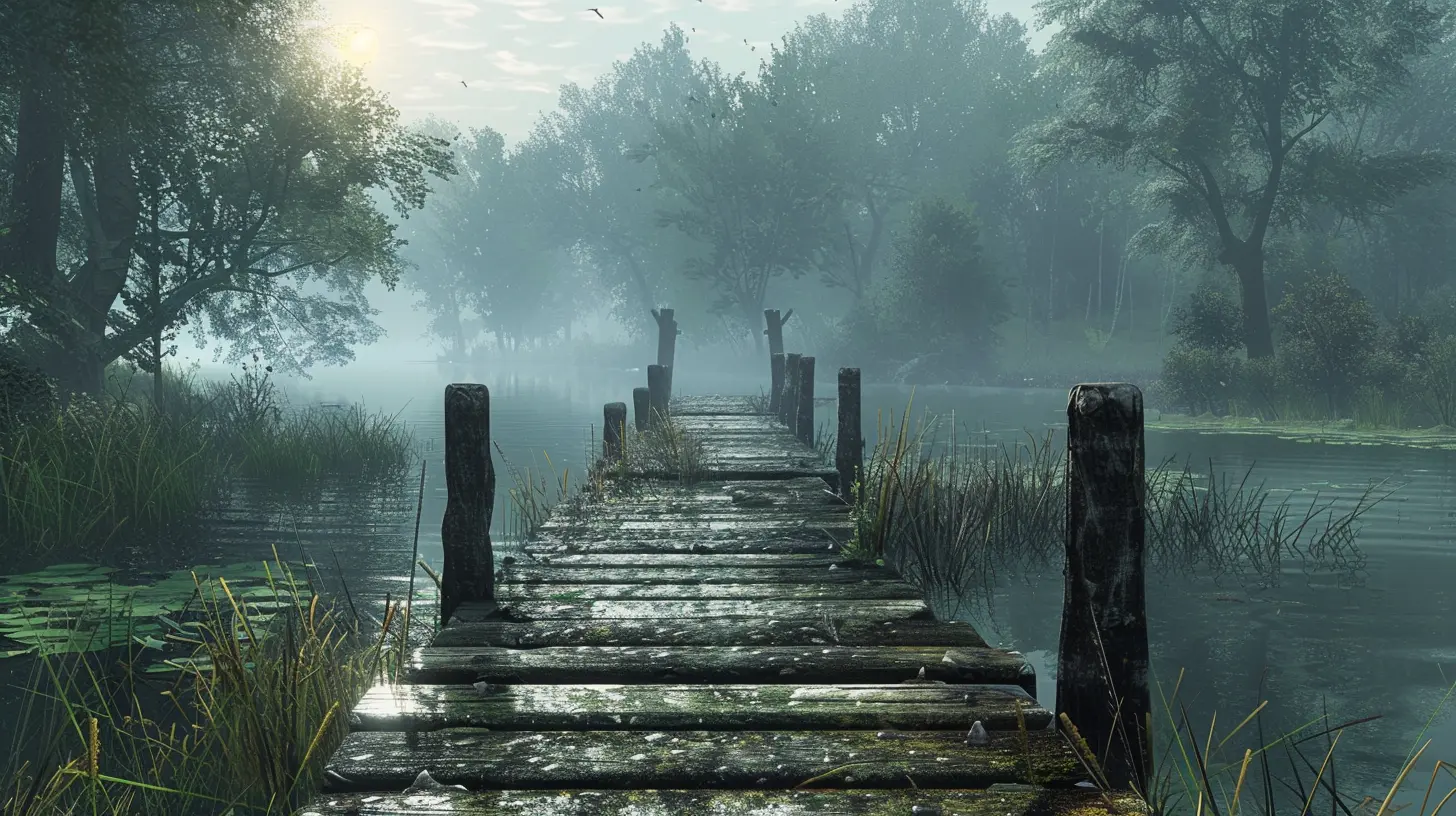
What Does It Mean When a Game World Feels “Empty”?
Let’s unravel this first. When we say a game world feels "empty," we're not necessarily talking about a lack of content—though sometimes that is the issue. We’re talking about the feeling you get while exploring. It’s the sense that nothing around you really matters. The world might be big, even beautiful, but it’s hollow. There's no life, no soul, no reason to care.It’s like walking through a theme park after closing hours. Sure, everything is technically there—the buildings, the lights, the maps—but without people, music, or energy? It’s just cardboard and silence.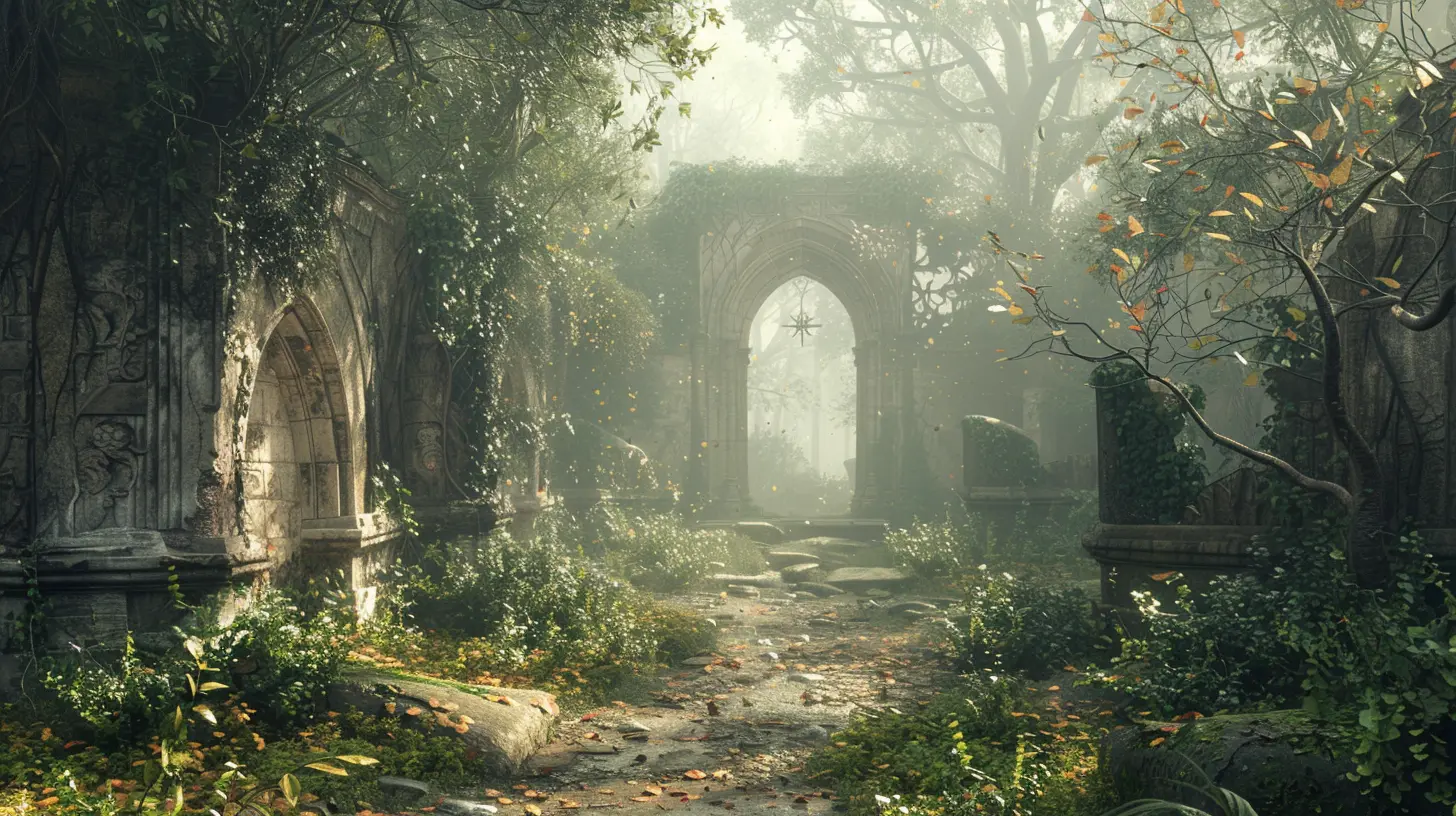
The Curse of “Bigger is Better”
Over the past few years, there’s been this arms race in game development—everyone wants to boast about the size of their map.- “Over 200 square miles of open world!”
- “Bigger than Skyrim!”
- “More locations than any RPG ever made!”
Cool… but does that actually make the game better?
Bigger doesn’t always mean better. In fact, cranking up the scale without thinking about detail, interaction, or purpose just stretches your game thinner. Players spend more time running through empty fields than actually experiencing meaningful content. It’s like someone bragging their movie is four hours long but forgetting to add a good story.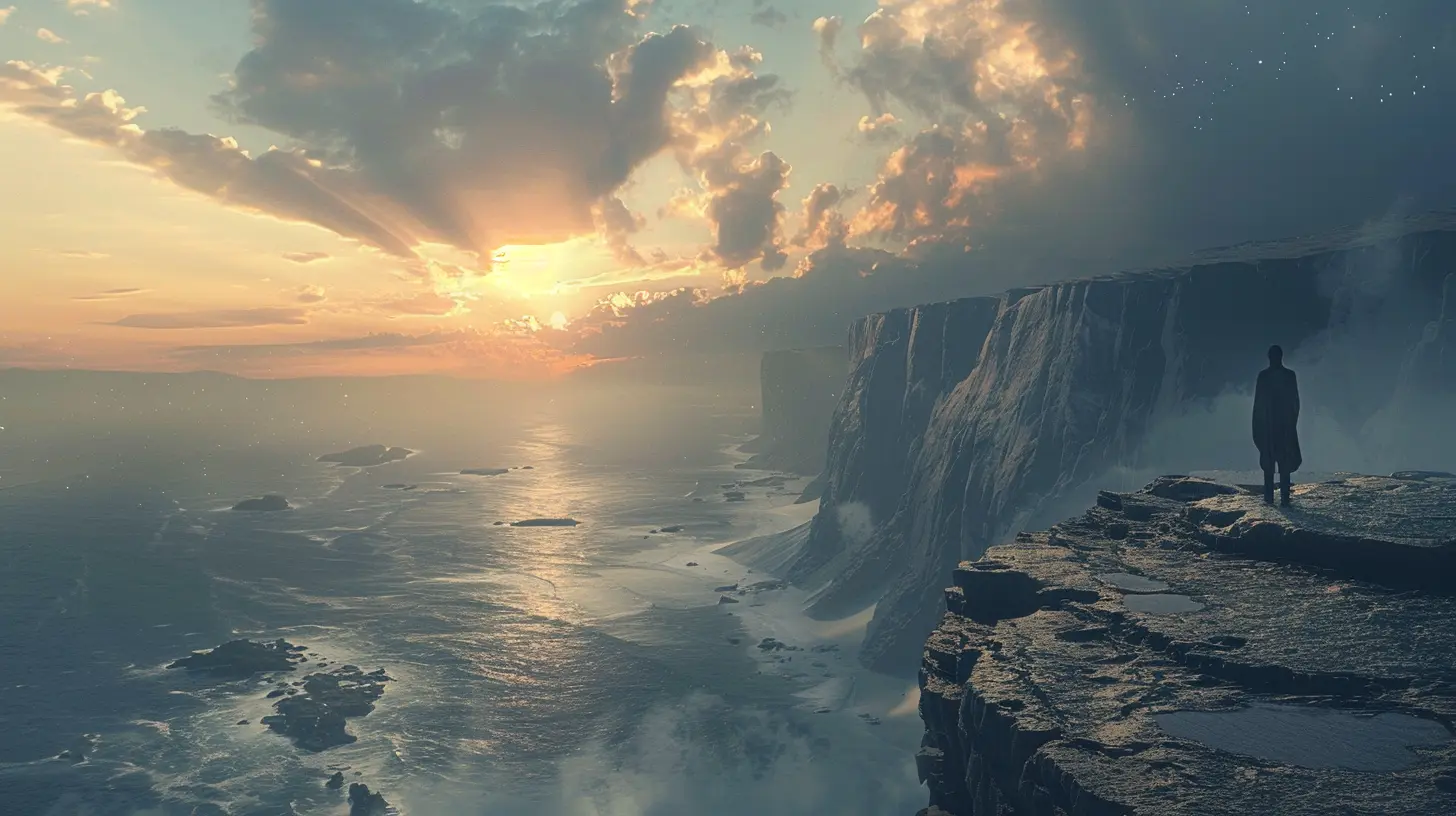
Lack of Meaningful Interactions: Pretty Scenery, No Conversations
Have you ever walked through a gorgeous city in a game, only to realize every NPC is just a mute mannequin? Maybe you try talking to them, only to get repeated one-liners or generic text bubbles.Guess what? That’s a surefire way to make a game feel soulless.
A good game world thrives on interactions. That doesn’t mean every NPC needs to launch you into a 25-minute quest. But random banter, unique dialogue snippets, or even a funny reaction to your actions can turn an empty space into a living world.
It’s like walking into a party where no one talks to you versus one where people crack jokes, ask you questions, and pull you into conversations. Which one are you more likely to enjoy?
Repetition Kills Immersion
Another problem? Copy-paste content.Developers, understandably, reuse assets and templates to save time. But when players start noticing that every cave looks the same, every village has an identical layout, or every enemy behaves like a clone of the last—you’ve just shattered the illusion.
There's a fine line between consistency and repetition. One supports world-building; the other breaks immersion.
Imagine eating pasta every day. At first, it's great. But after the tenth bowl with the same sauce? You’re dreaming of burgers and sushi. The same thing happens in games. If every encounter feels the same, players check out.
Shallow NPC AI and Behaviour
NPCs are the veins that carry life through your game world. Without them, the environment is like a beautifully decorated stage play with no actors—visually appealing, but completely lifeless.Games with poor AI often end up with NPCs that just wander in predictable loops, bump into walls, or stand around doing nothing. That’s fine for background filler, but when all NPCs act this way, it’s glaringly obvious.
Compare that to NPCs who react to your choices, show emotions, have a day-night routine, or even gossip about in-game events. They turn a static world into a breathing ecosystem. And without that? The illusion of life just collapses.
Weak or Non-Existent Lore
Let’s face it: storytelling is everything. If a game doesn’t have a compelling lore—or worse, doesn’t even try—players won’t bother digging deeper.Lore is like the glue holding a world together. Even if you're not reading every journal entry or listening to every audio log, knowing that the world has history, conflict, and secrets makes it feel real.
Without it, you're just wandering through a collection of assets. It’s the difference between exploring Hogwarts and walking through a random hallway full of floating candles. One has roots. The other is just decoration.
Poorly Placed Rewards and Incentives
We need reasons to explore. That’s the whole point of an open world—go off the beaten path and get rewarded for your curiosity.But some games are notoriously bad at this. You climb a mountain, walk five miles, dodge enemies… and your "reward" is three coins and a bland dialogue line. That's not just disappointing, it’s demotivating.
Good world design entices players. It whispers, "Hey, something cool is hidden here." It gives you that dopamine rush when you uncover hidden treasures, secret boss fights, or lore-rich zones.
Without these incentives? It’s just a walking simulator with RPG elements.
Environments That Don’t React To You
Hey, the world should care about what you do—at least a little.If you just slayed a dragon in the middle of town and everyone still acts like nothing happened, it’s jarring. Or maybe you just robbed a shop and the town guard gives you a casual “Hello there!”
When the world doesn’t respond to your actions, it breaks immersion entirely. You begin to realize that nothing really matters, and that realization sucks the energy out of the game faster than a black hole.
Games that do this well tweak dialogue, change music, alter NPC behaviors, or even reshape environments based on your decisions. That’s what makes it feel like your presence matters.
Minimal Ambient Life and Activities
Let’s talk about the small stuff. Birds flying overhead. Children playing in the streets. Merchants advertising their goods. Dogs barking. Leaves rustling in the wind.These ambient details are like spices in a meal. You might not notice every single one, but together, they make the dish—err, world—flavorful and rich.
Without them? The world feels sterile. Even if it’s technically “alive,” it’s more like a wax museum than a living world.
Poor Audio Design
Here’s an underrated yet critical factor: Sound.Sound design can breathe life into any environment. The clink of armor, the distant echo of a waterfall, the creaky wooden floor of an old inn—you feel these things.
A quiet world, filled with generic ambient loops and lifeless audio cues? That just adds to the emptiness. It’s like watching a movie with no background music. Technically complete, but emotionally vacant.
Lack of Player Agency
If the world doesn’t give you options—if your choices don’t have consequences—then the entire place starts feeling robotic. You may as well be on rails, just following the pre-written path.A good game lets you do things that actually matter. It lets you shape the world, even just a little.
But when your decisions feel like window dressing with no real weight? The game becomes a movie where you’re stuck holding the controller.
So, What Makes a Game World Feel Alive?
Let’s flip the script. We’ve talked a lot about what doesn’t work, so what does?- Diverse Interactions – NPCs who talk, react, remember.
- Dynamic Events – Random encounters, weather changes, evolving stories.
- Detailed Environments – Unique locations that tell stories just by existing.
- Meaningful Rewards – Secrets, loot, or lore that justify exploration.
- Responsive World – Reactions to your actions, not just static scenes.
Games like Red Dead Redemption 2, The Witcher 3, and Elden Ring have managed to build worlds that feel truly alive. Not because they’re the biggest—but because they’re rich with detail, personality, and heart.
Final Thoughts
There's nothing worse than getting hyped for a game, only to end up feeling like you’re just wandering through a lifeless painting. Empty game worlds are more than just a technical misstep—they’re missed opportunities for connection, immersion, and storytelling.But the good news? More and more developers are realizing this. The trend is shifting away from “massive but meaningless” to “smaller but richer.” And honestly? That’s the direction we should be cheering for.
So next time you're evaluating a new open-world game, don’t just ask, “How big is it?”
Instead, ask: “What’s in it?”
Because in the end, it’s not about the size of the map—it’s about the size of the experience.
all images in this post were generated using AI tools
Category:
Game FailsAuthor:

Emery Larsen