Why Some Seasonal Events Are More Popular Than Others
23 April 2026
Whether you’re a casual gamer or a dedicated achievement hunter, chances are you’ve circled your calendar for a seasonal event more than once. Games like Overwatch, Destiny 2, Fortnite, and countless MMOs host limited-time events that flood the screen with themed content, exclusive loot, and often, a dash of nostalgia. But have you ever wondered why some of these events skyrocket in popularity while others fizzle out like a dud firework?
Let’s break it down and dive deep into the psychology, design, and community dynamics behind seasonal events—and why only a few stand out as truly unforgettable.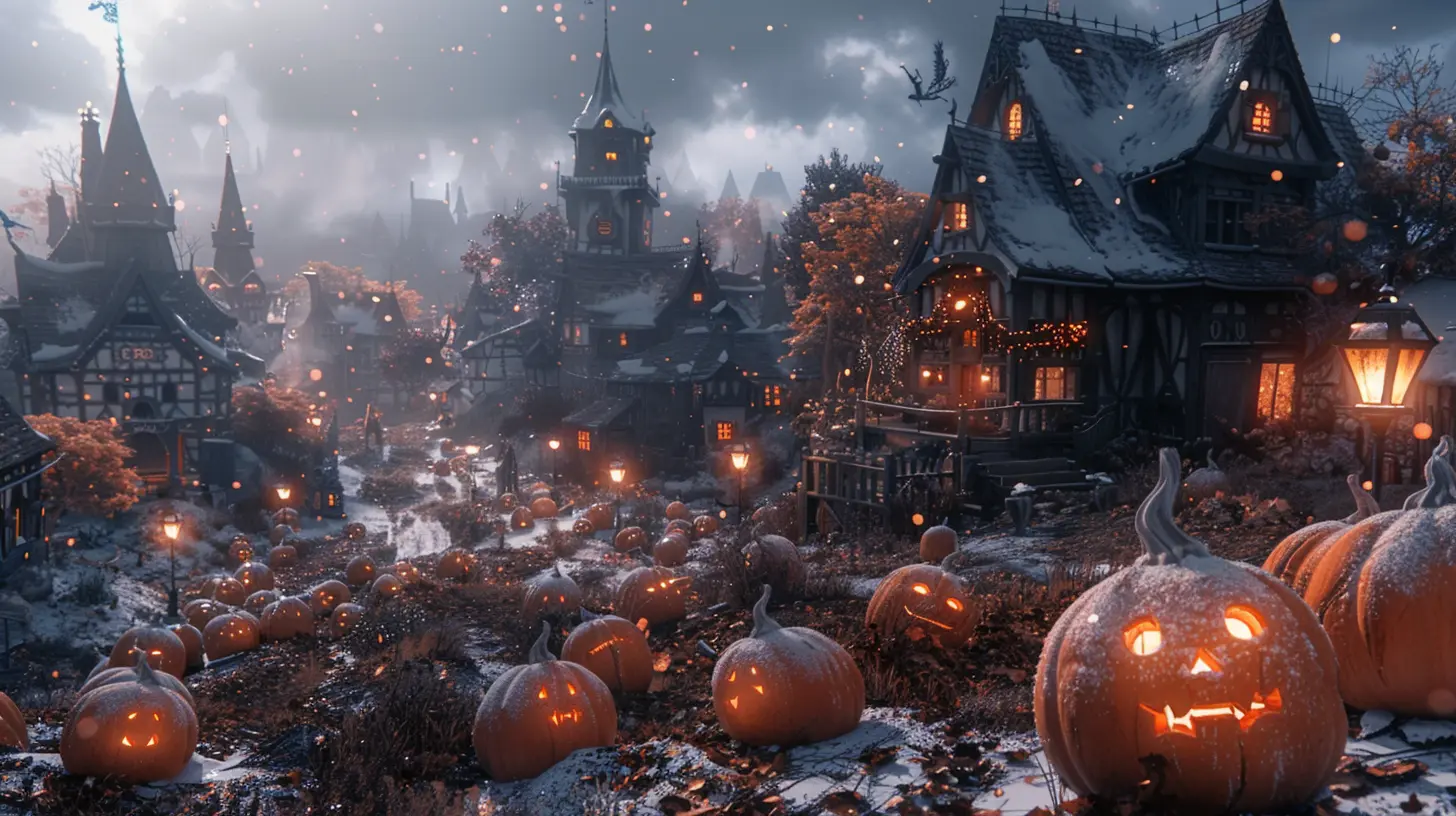
The Magic of Seasonal Events in Gaming
Seasonal events are like surprise parties in the digital world. They show up, usually around real-world holidays or significant in-game anniversaries, and shake up your usual gaming routine. These events often bring new game modes, skins, collectibles, and lore tidbits. But not all of them hit the same.Some are pure chaos and celebration—think Halloween's spooky overlays or winter wonderlands with snowball fights. Others come and go with barely a ripple. So, what makes a seasonal gaming event truly pop?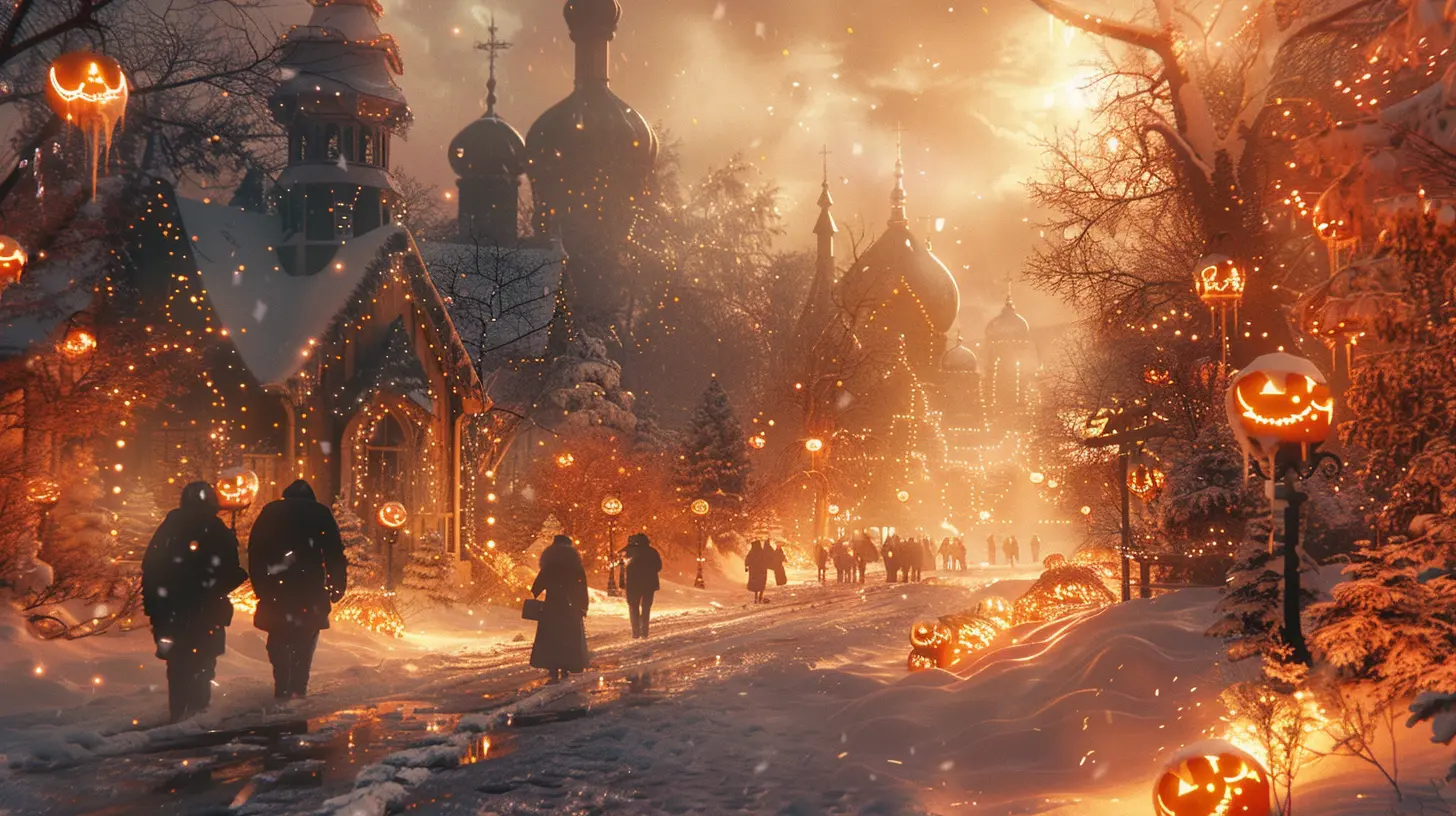
Scarcity and FOMO: The Hook That Catches Everyone
One undeniable factor: Fear of Missing Out (FOMO).Seasonal events are time-limited by nature. If you want that exclusive mount, weapon skin, or character outfit, you’ve got to log in and put in the work—before the clock runs out. It’s marketing gold. It creates urgency and gives players a sense of rarity and prestige.
Think about it—don’t you feel a little pride when you rock a cosmetic item from a past event that no longer exists? Like wearing vintage band merch, it quietly whispers, “Yeah, I was there.”
But here’s the twist—just adding a time limit doesn’t guarantee success. The event also needs to feel worth it.
Reward Systems That Feel Like a Party, Not a Chore
This is a big one. Players don’t want to grind for hours just to earn a snowman hat or a pumpkin gun skin that they’ll only use once. Popular events build in progression systems that are both fun and rewarding. Some games nail this by pacing out achievements, offering daily bonuses, or tying in community goals that unlock rewards faster when everyone contributes.Events that feel grindy—kind of like doing chores in exchange for candy—quickly lose their appeal. Nobody wants to log in and feel like they’re clocking in for a second job.
Games like Destiny 2's Festival of the Lost or Overwatch’s Halloween Terror have found that sweet spot between challenge and entertainment. They often add new loot, rotate in past rewards, and refresh old game modes—all of which keeps both new and returning players engaged.
Tapping Into Real-World Traditions
Let’s be honest—people love parallels. There’s something incredibly cozy about a game tapping into real-world holidays. Whether it’s spooky ghosts in October, snow-flaked maps in December, or fireworks in July, players feel like their favorite digital spaces are celebrating right alongside them.This connection builds emotional ties. It’s the same reason we rewatch holiday movies or bake the same cookies every year. Familiarity breeds comfort—and when games mirror these feelings, they earn loyalty.
Events like Animal Crossing’s Toy Day (a nod to Christmas) or World of Warcraft’s Hallow’s End borrow heavily from our calendar, which keeps us coming back. It’s like visiting an old friend during the holidays—you just can't resist.
Strong Lore and Themed Storytelling
Lore-driven games have a distinct advantage. If a seasonal event ties into the world’s larger narrative, it immediately becomes more engaging. Gamers love stories—even more so when they can directly participate.Take Final Fantasy XIV, for example. Each of its seasonal events spins a short, self-contained story that fits seamlessly into the world. They’re often heartfelt, funny, or mysterious—and they almost always expand the lore in subtle ways. That kind of immersion makes events more than just cosmetic cash grabs; they become mini-experiences that matter.
In contrast, events that feel shoehorned in or disconnected from the game’s universe tend to fall flat. If it feels like developers slapped some tinsel on existing content and called it a day, players notice—and they check out fast.
Visual Overhauls and Atmosphere
Here’s where things get flashy. Successful seasonal events don’t just offer a new game mode; they revamp the entire vibe. Think glowing jack-o'-lanterns lining the streets of in-game towns, snow coating familiar battlefields, or eerie music haunting every menu screen.It’s like theme park-level immersion. The whole world transforms—and it makes the experience feel fresh and exciting, even if you're running around the same old maps.
Good visual design gives players the “wow” factor. It’s that instant recognition of, “Something special is happening.”
Nostalgia: Playing the Long Game
Nothing hits harder than pure, unfiltered nostalgia. Developers who’ve been running games for years know this and lean into it. Bringing back classic seasonal rewards, rotating in fan-favorite game modes, or referencing old events give long-time players a reason to return.Nostalgia is powerful. It turns casual players into devoted fans. When you feel like a game remembers your history with it, you're more likely to re-engage. It’s like getting a personal invitation to relive your favorite memories.
Clear Communication Builds Hype
Ever been excited about a seasonal event only to find out it already started—and you didn’t know? That’s a communication fail, and it happens more than it should.The best events are the ones developers tease ahead of time. They build up hype across social media, drop trailer videos, and hint at surprises. It’s the same reason movie trailers work—they build anticipation.
If players know what to expect and when the fun begins, they’re far more likely to log in and take part. It’s all about momentum. Drip-feed the info, spark speculation, and boom—you’ve got a player base counting down the days.
Community Engagement: The Social Fuel
Let’s not overlook the power of the gaming community. Seasonal events often come with social buzz—streams, YouTube highlights, memes, event guides, and “look at my loot” posts. When everyone’s talking, watching, and sharing the same event, it creates synergy that amplifies popularity.MMOs and multiplayer titles thrive on this. When one friend jumps back in for an event, the rest often follow. It becomes a social occasion—something to experience together.
Games like Fortnite understand this better than most. Their events create viral moments—giant concerts, map changes, cinematic in-game experiences—that turn players into active promoters.
Monetization: Friend or Foe?
Let’s address the elephant in the room—money.Most seasonal events are monetized through premium skins, battle passes, or lootboxes. When done right, players are happy to spend. The content feels worth it, the pricing is fair, and nothing feels pay-to-win.
But when monetization feels predatory—like hiding all the best stuff behind a paywall or making grind-free progression practically impossible—players get angry. Fast.
Transparency and fairness go a long way. Games that find a good balance between free content and optional purchases tend to win the community’s respect—and their wallets.
Timing Is Everything
Last but not least—timing. Even the best-designed seasonal event can flop if it launches at the wrong moment. Competing with other major game releases or overlapping with real-world holidays can drown an event in noise.Smart developers time their events to avoid conflict, target prime engagement windows, and stagger content drops to keep interest levels high. It’s not just about what you release—it’s when.
Just like in comedy, in gaming events… timing is everything.
So, Why Are Some Events Just Better?
It all boils down to this—popular seasonal events tick multiple boxes. They’re:- Rewarding without being a chore
- Immersive with strong visual and audio changes
- Tied to real-world holidays or in-game lore
- Communicated clearly and hyped properly
- Designed to fuel community engagement and nostalgia
- Balanced in monetization
- Launched at optimal times
When all these elements work in harmony, the result is an event that feels magical, must-play, and memorable.
The events that don’t make a splash? They usually miss on several of the above. They feel forgettable, too grindy, or disconnected from what the game’s community actually wants.
Final Thoughts
Not all seasonal events are created equal—and gamers definitely notice. The best ones feel like a celebration, a new chapter, or a long-awaited reunion. They reward you, immerse you, and bring people together.As gaming evolves, so too will seasonal events. But the core principles of what makes them shine? Those will probably stay the same. So the next time a seasonal event pops up, take a moment to see if it's just another promo—or something truly special.
Who knows? You might be experiencing the next legendary in-game tradition.
all images in this post were generated using AI tools
Category:
Seasonal EventsAuthor:

Emery Larsen
Discussion
rate this article
2 comments
Allison McNaughton
Great insights on seasonal events! It's interesting how player engagement and nostalgia can shape their popularity. It would be cool to explore how game mechanics influence these events' success as well. Keep up the good work!
May 2, 2026 at 3:42 PM
Emery Larsen
Thanks for the feedback! Definitely agree that game mechanics play a big role in event success. It's fascinating how all these elements come together.
Jaxon McGeehan
Great read! It's fascinating how certain seasonal events catch on while others fade away. The mix of unique rewards, timing, and community engagement really makes a difference. Can't wait to see what this season brings!
May 1, 2026 at 3:30 AM
Emery Larsen
Thanks for your thoughts! It's true-unique rewards and community involvement can really elevate an event. This season should be exciting!