Games That Foster Independent Thinking in Kids
12 July 2026
Have you ever watched a kid get completely absorbed in building a LEGO castle or solving a puzzle with zero help? It’s almost magical, right? That deep focus, problem-solving, and sense of achievement—that’s independent thinking in action. And guess what? Games can be a powerful spark to unlock this mindset.
In today’s world where everything’s fast-paced and spoon-fed, teaching kids how to think independently is a gift that keeps on giving. And luckily, you don't need expensive classes or rigid schedules. Sometimes, all it takes is the right game.
Let’s dive into a fun and engaging guide on games that don’t just entertain but also empower kids to think on their own. Whether you’re a parent, teacher, or cool aunt/uncle, you’ll walk away with ideas that make playtime a brain-boosting adventure.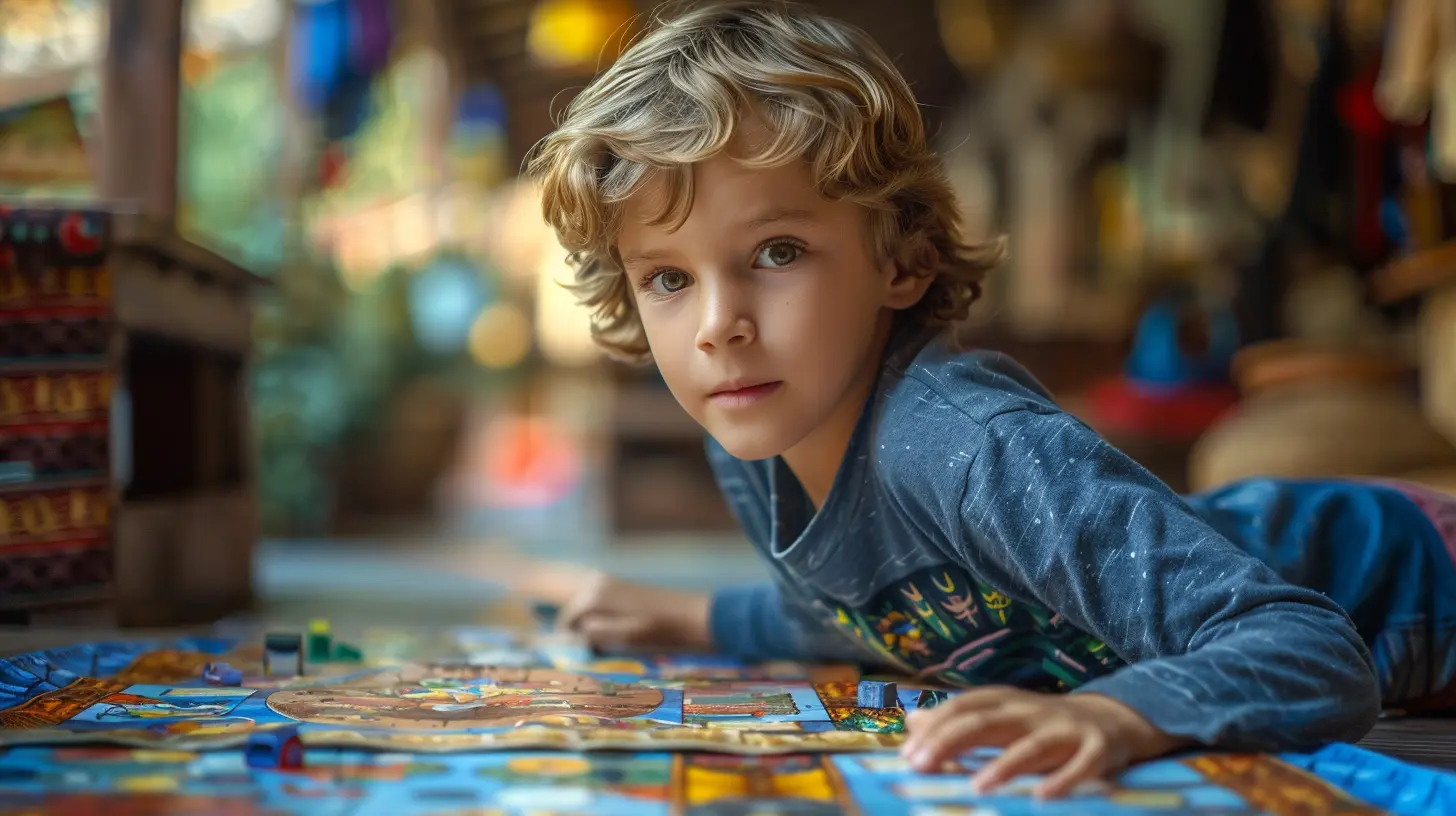
Why Independent Thinking Matters (Especially for Kids)
Before we jump to the juicy part—game suggestions—it’s important to understand the “why.”Independent thinking is what helps kids make decisions, solve problems, and express themselves confidently. It’s not about always having the right answer—it’s about knowing how to ask the right questions.
Kids who think independently:
- Become better decision-makers
- Build confidence in their abilities
- Learn how to adapt to challenges
- Are more creative and curious
And when this kind of mindset kicks in early? It sets the stage for lifelong success—not just academically, but in relationships, work, and life itself.
So, where do games come in?
How Games Encourage Independent Thinking
Games don’t hand over answers. They challenge, reward effort, and sometimes, throw curveballs. Kids learn through trial and error—figuring stuff out on their own. This is gold for independent thinking.Think of games as “mental playgrounds.” They let kids:
- Explore strategies
- Make choices and face consequences
- Develop patience and perseverance
- Think outside the box
Also, many games are designed to be open-ended. Meaning? There’s no one “right” way to win, which is perfect for nurturing critical thought. Okay, ready to fill your game shelf with brain-boosters?
Best Games That Foster Independent Thinking in Kids
Let’s break it down by type—because not every kid is the same. Some love stories and puzzles, others prefer action and adventure. No worries—we’ve got something for everyone.
1. Puzzle and Logic Games ?
These games are all about strategy, planning, and just a little bit of brain sweat.? ThinkFun Rush Hour (Ages 8+)
A sliding puzzle game where kids have to get their car out of a traffic jam. No two challenges are the same, and it gets trickier as they go. Totally fun, and it makes kids visualize moves before acting on them.Why it works: It teaches deduction, sequencing, and forward-thinking.
? Gravity Maze by ThinkFun (Ages 8+)
It’s a marble run meets brain teaser. Kids have to figure out how to place towers so the marble reaches its target.Why it works: Encourages spatial reasoning and independent problem-solving.
? SmartGames Camelot Jr. (Ages 4-9)
It’s like LEGO meets logic puzzles. Kids create paths to connect a knight and princess using wooden blocks and logic.Why it works: It fosters creative thinking, especially in younger kids.
2. Building and Creative Games ??
If your kid loves making things, this category is a jackpot.? LEGO (All Ages)
Yes, the classic—and still unbeatable. You can follow instructions, or go rogue and build whatever your imagination can dream up. Either way, there’s problem-solving involved.Why it works: It teaches planning, design thinking, and improvisation.
? Minecraft (Ages 7+)
This digital sandbox game is a modern marvel. Kids build worlds, explore, craft tools, and collaborate with others—or play in solo mode.Why it works: It sparks creativity, resource management, and decision-making.
? Tinkering Labs Electric Motors Catalyst Kit (Ages 8-12)
No screens here. Just wires, motors, and imagination. It’s a STEM-based tinkering set where kids build machines that move, spin, or glide.Why it works: It nurtures experimentation and engineering skills.
3. Strategy Board Games ♟️
These games require patience and a little bit of brainpower.? Robot Turtles (Ages 4-8)
This is like preschool coding in board game form. Kids write “code” with cards to move their turtle to a goal, learning sequencing and logic.Why it works: Encourages logical thinking and planning.
? Ticket to Ride: First Journey (Ages 6-10)
Kids collect train cards and claim railway routes across a map. Simple rules, but it requires some forward-thinking and resource management.Why it works: Enhances planning, geography, and strategy.
? Blokus (Ages 5+)
A colorful and competitive game where players attempt to fit all their pieces on the board while blocking opponents.Why it works: Develops spatial awareness and adaptability.
4. Solo Games for Self-Driven Play ?♀️?♂️
Sometimes, the best way to encourage independence is… well, letting them play alone!? Kanoodle (Ages 7+)
This 3D puzzle game involves creating shapes using colorful pieces. Tons of challenge levels keep things interesting.Why it works: Boosts spatial reasoning and solo problem-solving.
? Brainwright Puzzle Balls (Ages 6+)
These handheld puzzles are kind of like Rubik’s Cubes—but more variety and less frustration. Great for car rides or quiet time.Why it works: Builds perseverance and cognitive flexibility.
? Osmo Genius Starter Kit (Ages 5-10)
If you’re cool with screen time, Osmo turns an iPad into an interactive learning tool with puzzles and drawing activities.Why it works: Merges logic with creativity in a highly engaging way.
5. Role-Playing and Storytelling Games ??
These are perfect for kids who love characters, storytelling, and adventures.? The Sneaky, Snacky Squirrel Game (Ages 3-6)
It’s simple, but it encourages kids to make their own decisions while collecting acorns.Why it works: Teaches decision-making and fine motor skills.
? Rory’s Story Cubes (Ages 6+)
Roll the dice and use the images to create stories. There’s no winning or losing here—just imagination on fire.Why it works: Builds creativity, sequencing, and communication.
? Dixit (Ages 8+)
Each player gives a clue about a surreal image card, and others guess which card they meant. It’s cooperative, artistic, and deeply creative.Why it works: Encourages abstract thinking and emotional intelligence.
Tips for Choosing the Right Game for Your Kid
Not every game will click with every child. So how do you pick the right one?- Know their interests: Are they builders, storytellers, or tactical thinkers?
- Vary the styles: Mix puzzle games with creative ones to keep the brain working in different ways.
- Challenge without frustration: Start with easier games and level up for confidence-building.
- Make it social sometimes: Independent thinking can grow in collaborative games too.
And most importantly…
Let them play without hovering. It’s tempting to help when they get stuck, but struggle is a beautiful part of growth. Be that cheerleader, not the coach whispering every move.
Turning Game Time into Growth Time
It might look like they’re just stacking blocks or solving a maze, but something powerful is going on under the surface. Neural pathways are firing. Confidence is building. Curiosity is blooming.And yes—it’s all happening while they’re having fun. That’s the real magic of games that foster independent thinking.
So the next time you see your kid deep in a game, let it happen. Give them space. Ask them what they learned afterward. Let them fail, try again, and light up when they figure it out on their own.
Because those moments? They’re planting seeds for future innovators, problem-solvers, and thinkers.
Final Thoughts
Games aren’t just distractions—they’re training grounds for the mind. When chosen intentionally, a simple board game or puzzle can help your child grow into a more independent, thoughtful, and confident person.So go ahead—make a game shelf (or download folder) that’s more than just fun. Choose games that shape minds, not just pass time.
Let’s raise a generation of thinkers, one game at a time.
all images in this post were generated using AI tools
Category:
Games For KidsAuthor:

Emery Larsen